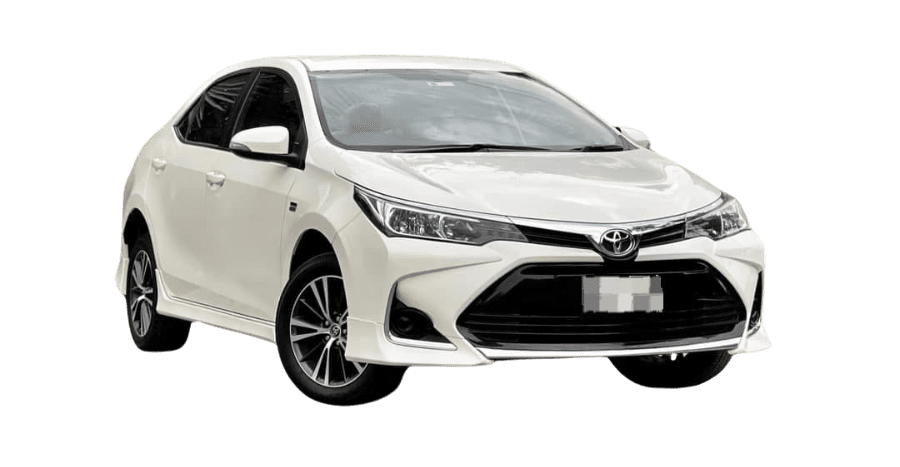


The family reaches pickup with a child restraint, several suitcases and an assumption that any larger car will work. However, a seat that suits the child still needs to suit the vehicle and seating position. Child seat planning belongs in the booking conversation, not in a rushed argument beside an airport exit.
Quick answer
Child seat planning for an Islamabad rental should confirm the child's appropriate restraint, the actual vehicle and compatibility before travel. Follow both manufacturers' instructions and arrange competent fitting help where needed. Do not assume that Al Farooq supplies child seats, installation or a particular anchorage system. Confirm a suitable arrangement in advance; if it cannot be established, choose another workable plan rather than travel with an improvised restraint.
What should child seat planning establish before booking?
Settle three separate questions: which restraint is appropriate, who provides it and whether it works in the assigned vehicle. First, identify the actual seat model instead of requesting only “a baby seat.” Then check the manufacturer's suitability and use instructions for the child and the intended journey.
The NHTSA car-seat guidance explains the importance of choosing a suitable seat, checking vehicle fit and following instructions. It is a United States resource, not a statement of Pakistani law. Use current local requirements alongside the seat and vehicle manuals; this booking guide does not replace those instructions or a fitting assessment.
Also identify the responsible adult before accepting the journey. A chauffeur-driven booking does not automatically include child-restraint expertise. Ask who will check the arrangement and allow time for that check. If nobody can resolve a compatibility question, treat it as unfinished planning rather than assume the driver will solve it on arrival.
Does a rental booking automatically include a child restraint?
No. A car reservation does not establish child-seat availability, type or fitting support. Al Farooq supplies cars with drivers, but this article does not advertise an included seat. Ask the provider directly what, if anything, it can confirm for your date and vehicle.
If the family plans to bring its own restraint, say so at the first enquiry. Keep its model details and instructions available, and check its condition and history in line with the manufacturer's advice. However, owning a familiar seat does not establish compatibility with an unfamiliar rental vehicle.
Before paying, write down any unconfirmed item. For example, “vehicle category discussed; restraint compatibility still unresolved” is more useful than “family car confirmed.” The family car-rental checklist supports the wider passenger brief. Keep the restraint question explicit rather than hide it inside a general family request.
Which vehicle details matter for child seat fit?
Check the assigned vehicle and seating position, not just its brand or advertised capacity. A vehicle category helps start the conversation, but a different model year, seat arrangement or specification may change the answer. Therefore, ask for the information needed to consult the relevant manuals.
Review the current vehicle categories, then confirm the actual proposed unit through the provider. Do not infer ISOFIX, a top tether or a particular belt arrangement from an exterior photograph. Equally, do not assume that a restraint uses every available attachment point together. The correct method depends on its instructions.
For child seat planning, avoid homemade compatibility tests or improvised belt routing. If you need help interpreting the instructions, seek a competent restraint specialist or the manufacturer's support. This article intentionally does not provide installation steps, because a general blog cannot establish the configuration of your child, seat and assigned vehicle.
What information should the family booking brief contain?
A useful brief separates confirmed arrangements from open questions. First, describe the journey, passenger numbers and the restraint you intend to use. Then ask the provider to respond to the vehicle and pickup details. Share only the child information necessary for the practical discussion, not identity documents or unrelated personal records.
| Booking detail | What to record | What must not be assumed |
|---|---|---|
| Restraint | Actual model and who provides it | A seat is included with every car |
| Vehicle | Assigned unit and required seating position | Every vehicle in a category is identical |
| Compatibility | Manual-based check and any competent help needed | The driver automatically offers fitting expertise |
| Other passengers | Every occupied seat | An infant needs no passenger space |
| Luggage | Cases, folded pushchair and other equipment | Seat count also proves storage space |
| Change procedure | Who reconfirms a replacement vehicle | An upgrade automatically preserves compatibility |
Also agree a decision deadline. An unanswered seat question should not remain open until the driver is outside. Ask when the assigned-vehicle details will be available and what alternative you will use if the arrangement cannot be confirmed. Then keep that decision with the final quotation.
How should child seat planning account for luggage?
Assess the whole family load after allocating the required passenger seats. A restraint, occupied rear row and folded pushchair can change the practical arrangement together. Start with every passenger, then list the actual bags and bulky items rather than use the phrase “normal family luggage.”
Next, confirm where those items will travel. Keep required seating and normal access available. Do not plan to move the child onto an adult's lap because the bags take up space. If the proposed vehicle does not suit the combined load, discuss a suitable alternative before confirming the booking.
For a fuller passenger-and-load discussion, the seating and luggage guide explains why occupied seats and storage need review together. However, a flight landing time is not a suitable deadline for unresolved restraint checks. Allow a practical, permitted place and enough time to assess the agreed arrangement before the journey starts.
What changes when the provider substitutes a vehicle?
A replacement vehicle needs a fresh compatibility check. Do not carry the earlier confirmation across automatically, even if the replacement costs more or has more seats. First, establish what changed. Then compare the proposed unit and seating position with the restraint's requirements.
For example, an organiser may accept a different vehicle while the travelling parent assumes the original unit will arrive. Avoid that split by naming one adult who must receive and approve the updated practical information. The coordinator should not describe a replacement as settled while the child's arrangement remains unresolved.
If the check cannot be completed, pause the booking decision. Ask what suitable alternatives are actually available and whether timing or the quotation changes. Keep the answer in writing. A vehicle substitution procedure is useful precisely because it identifies when the family should stop and reassess, rather than feel obliged to depart.
How should boarding and pickup be organised?
Plan adult supervision separately from loading luggage. One adult managing cases, a phone call and a child beside traffic has competing tasks. Therefore, agree who stays with the child and who speaks with the driver. Choose a permitted boarding location rather than improvise beside a busy lane.
UNICEF's road-safety advice emphasises adult supervision and careful behaviour near traffic. Apply that principle to the minutes before and after the ride as well as the journey itself. Do not let luggage collection distract everyone from a child near the vehicle or roadway.
Next, complete the relevant restraint checks before departure using the correct instructions and competent help where required. If a problem appears, tell the coordinator while the vehicle remains safely stopped. Neither a short journey nor a delayed flight makes an improvised arrangement acceptable.
Which promises and shortcuts should families reject?
Reject certainty that lacks a specific checked arrangement. “All our cars are family cars” does not answer whether your seat suits the assigned vehicle. Likewise, a generic photograph, seat-count label or confident verbal reassurance does not replace the relevant instructions.
Do not use this guide as a legal-age chart or an installation manual. It deliberately avoids universal age cut-offs, guessed weight limits and claims about local enforcement. Check current requirements with the appropriate local authority, and use the restraint manufacturer's limits for the particular product. If those requirements remain unclear, resolve them before travelling.
Finally, compare the complete booking rather than the cheapest vehicle alone. The Islamabad rental information helps frame service questions. Ask about current availability, driver inclusion, pickup time and the return journey, while keeping child-equipment availability and suitability explicitly separate.
What should the final departure check cover?
Use the confirmed plan as a checklist, not as a reason to ignore a change at pickup. Child seat planning should remain connected to the actual vehicle and people present. If a required condition differs, stop and resolve it before departure.
- Confirm the assigned vehicle and agreed seating position.
- Have the correct restraint instructions available.
- Complete the required suitability and fitting checks.
- Keep every passenger's required seat available.
- Confirm secure luggage storage and normal access.
- Assign adult supervision during boarding and unloading.
- Reconfirm the arrangement for the return or any vehicle change.
Frequently asked questions
Do not assume that. Ask what equipment, if any, the provider can confirm for your date and assigned vehicle. This guide does not advertise child-seat supply or installation. If you bring a seat, confirm compatibility and the necessary checks before travel.
No. Use the particular restraint manufacturer's suitability limits and instructions, and check vehicle compatibility. Age alone does not establish a complete arrangement. Seek competent advice where needed and check current local requirements rather than applying an overseas legal rule.
No. More seats or a higher vehicle category does not prove compatibility with a particular restraint. Confirm the actual unit, seating position and relevant instructions. Also check how the remaining passengers, luggage and folded equipment will fit.
Recheck the restraint arrangement for the replacement rather than transfer the earlier assumption. Ask the coordinator for the necessary details and suitable alternatives. If you cannot establish a workable arrangement, pause and resolve it before departure.
No. A car-with-driver service does not establish restraint-fitting expertise or an installation service. Agree who will perform the required checks using the manufacturer's instructions, and arrange competent help where needed before the pickup window.
Allow time and a permitted place to complete the agreed checks before departure. Confirm baggage collection updates, adult supervision and the actual vehicle. Do not leave compatibility unresolved until the family is standing beside a waiting car.
Final Thoughts
Good child seat planning makes the unanswered questions visible before the journey. Confirm the restraint, assigned vehicle and responsible adult, then reassess any change. To discuss an Al Farooq trip, send the journey and practical equipment questions through the official contact route. Ask for current availability and a clear written scope, without assuming equipment or fitting support that the provider has not confirmed.