
Quick Answer
Car rental for photography days in Islamabad needs a transport plan that matches the crew, equipment, location access and return arrangements. Confirm what can travel in the assigned vehicle, who retains equipment custody and which stops depend on separate permission. The rental booking covers agreed transport, not filming clearance, secure storage or guaranteed access to a viewpoint.
The equipment is packed and the shot list is ready, but the first location cannot accept the proposed drop-off. One photographer has walked ahead with a bag while the remaining cases are still beside the car. A carefully planned shoot can lose coherence before the camera is even set up.
For an Islamabad photography day, build the vehicle brief around equipment handovers and location readiness. Al Farooq supplies cars with drivers. It should receive the transport requirements, while the organiser remains responsible for checking the shoot's permissions, equipment arrangements and whether each proposed location is suitable.
What should the transport brief tell the provider?
Describe the working load and location sequence, not just the number of photographers. Camera bags, cases, stands and personal belongings all need to be considered alongside the people travelling.
State the crew count, case count and any long, awkward or unusually delicate items. Explain whether everyone remains with the vehicle between stops or whether some crew members will stay at a location. Identify the person authorised to change the transport plan.
Give the intended pickup and final drop, then distinguish confirmed locations from provisional suggestions. A site awaiting a response should not appear in the transport plan as though entry has already been approved.
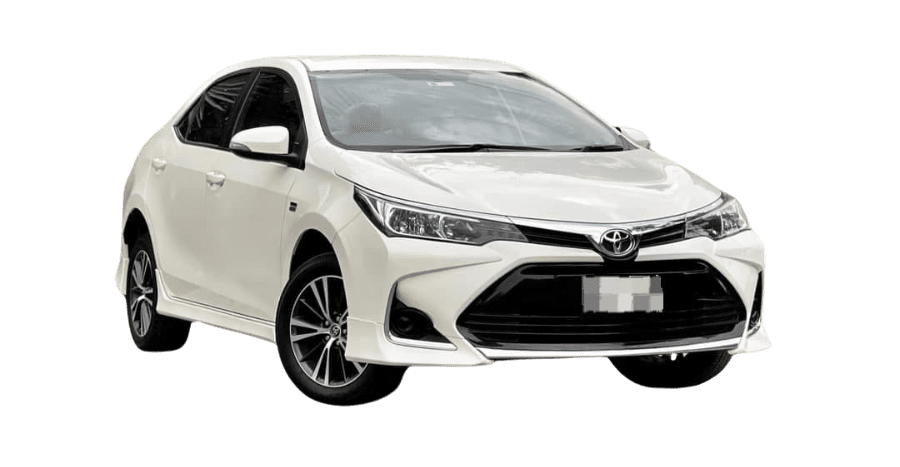
Use the available fleet information to frame your enquiry, but ask about the actual vehicle for your date and load. A model photograph does not confirm that your crew and equipment will fit together.
Which access questions belong with the location organiser?
The shoot organiser should establish whether the proposed activity and vehicle access are allowed before making the location a fixed commitment. Transport availability is a separate question from permission to work at a site.
Ask the responsible venue or authority about the intended activity, group size, equipment and access arrangements. Distinguish a passenger drop from equipment unloading, a parked vehicle and continued waiting. Approval for one should not be assumed to cover the others.
The CDA public notices page is an official reference to check where relevant. It is not presented here as a complete permission register, a filming authorisation or evidence that a particular location is open for your shoot.
For a private venue or a site managed by another authority, seek the relevant instructions directly. Pass confirmed operational details to the transport provider without asking it to guarantee a permission it does not control.
How should you sequence locations around the equipment?
Sequence the day around confirmed access, necessary handovers and removable stops. A list arranged only by visual appeal can create repeated unloading or leave the crew committed to a location that is not ready.
Identify the first essential location and what must be available there. Then consider which equipment needs to leave the vehicle, who carries it and whether a later stop uses the same load. Grouping compatible work can make the plan clearer without claiming a universally quickest route.
The published multi-stop itinerary guide offers related sequencing questions. A photography day adds the need to coordinate each movement with the equipment and crew who are actually ready to travel.
The Islamabad city-tour planning guide gives broader location-planning context. It should not be used as filming permission or copied as a guaranteed shoot schedule. Your own access checks and production priorities decide which stops belong in the brief.
What should an equipment handover plan include?
Assign a named crew member to account for equipment at each vehicle movement. The driver should not be assumed to know the contents, value or completeness of an unfamiliar case collection.
| Handover stage | What to confirm | Who should own the decision |
|---|---|---|
| Initial loading | People, cases and any revised load | Crew equipment contact and provider |
| Arrival at a location | Which items leave the vehicle | Named crew member |
| Crew separates | Which person holds each item | Shoot organiser |
| Location changes | Whether equipment and people are ready | Authorised transport contact |
| Reloading | Case count and belongings checked | Crew equipment contact |
| Final drop | Equipment received by the intended person | Organiser or named recipient |
Keep a simple case list that the crew understands. A labelled bag count is more useful for this purpose than sharing a detailed inventory of equipment values with everyone involved in the transport conversation.
Explain any requested loading help before booking and ask whether it can be provided. Do not assume the driver supplies production assistance, equipment handling or a specialist vehicle arrangement merely because the journey serves a photography team.
Can the car be used as secure equipment storage?
Do not treat a passenger vehicle as a secure storage facility. Agree what remains with the crew and who is responsible for any equipment not being used at a particular stop.
The request for a car does not establish continuous supervision, specialist protection or insurance for camera equipment. If your production requires any of those arrangements, resolve them independently before deciding that unused cases can remain in the vehicle.
Avoid building the plan around an assumed shaded parking place. A preferred parking position may be unavailable, unsuitable or outside the agreed arrangement. Ask the responsible equipment owner how items should be managed if that preference cannot be met.
Keep equipment-specific care instructions with the people responsible for it. The transport provider can consider a clearly described load, but it should not be asked to invent technical storage advice for unfamiliar cameras, batteries or lighting equipment.
How should the crew choose a meeting point after a shoot?
Agree an identifiable, permitted collection arrangement and call when the travelling group is ready. The driver needs a clear instruction, rather than several messages from crew members at different sides of the location.
Before requesting collection, check that the cases are packed and the passengers who are leaving have regrouped. Confirm if anyone is staying behind or if equipment will travel separately. A changed passenger list can affect the next handover even when the destination is unchanged.
Use one contact for readiness and a backup if that person is occupied. If the original collection point cannot be used, explain the current position and ask for a confirmed alternative rather than directing the car into uncertain access.
Review the Islamabad rental service for the general transport context. The actual waiting and collection arrangement must still be agreed for the shoot.
What should change when the shoot runs behind schedule?
Revise the remaining transport commitments as soon as the delay becomes likely. A longer shoot does not automatically extend the vehicle booking or preserve access at the next location.
First decide which shots or stops remain essential. Ask the location contact whether the next visit is still possible, and ask the transport coordinator whether the proposed movement can be accommodated. Keep those decisions separate so one conditional answer is not mistaken for confirmation of both.
For example, if an indoor setup overruns, the organiser might remove an optional exterior stop rather than assume the driver and crew can continue indefinitely. That is a production choice to discuss, not a promised availability arrangement.
Record the revised destination, collection instruction and scope. If different people approve access and transport, tell each which version replaces the earlier plan.
What should you reconfirm before the first pickup?
Reconfirm the ready crew, actual load, first location and handover contact. A brief created earlier in the week may no longer reflect the equipment or people leaving on the day.
Use this final checklist:
- Confirm the assigned vehicle and the load described to the provider.
- Identify the crew member accounting for equipment.
- Separate confirmed location instructions from unanswered requests.
- Agree passenger drop, unloading and later collection details.
- Keep an optional location removable if circumstances change.
- Confirm the final equipment recipient and destination.
- Retain the provider and location contacts with the organiser.
Do not interpret a transport confirmation as an answer to an outstanding venue question. Resolve a missing permission before treating the location as a fixed part of the shoot, or revise the plan around what is actually confirmed.
Frequently Asked Questions
No. Confirm the activity and access with the responsible venue or authority. The transport booking should use the resulting instructions; it does not grant photography, filming, unloading or waiting permission.
Do not assume that arrangement is available. Discuss the practical preference and plan for it to be unavailable. Equipment custody and care need their own decisions rather than depending on a particular parking position.
No. Describe cases, long items, personal bags and any change between locations. Ask the provider to assess the actual passenger and equipment load before confirming a vehicle for the date.
Do not assume that responsibility. Nominate a crew equipment contact and agree handover checks. Any requested assistance should be discussed before booking rather than inferred from the driver's presence.
Verify access with the responsible location contact, then ask the transport coordinator about the revised journey. Confirm both decisions before treating the new stop as agreed. Share one updated instruction with the crew.
Request that movement explicitly. Confirm the location, person, equipment and proposed timing, then ask whether it can fit the booking. Do not assume a later collection is included or available.
Final Thoughts
A photography transport plan works when location access, crew readiness and equipment handovers fit together. A clear brief helps the provider assess the journey while leaving permissions and equipment responsibility with the appropriate people.
To discuss your photography day, send Al Farooq the crew, load and proposed location sequence. Ask about the available transport and confirm the agreed scope before booking.