

Embarking on an Islamabad to Hunza road trip is widely recognised as one of the most thrilling overland journeys in Asia. Traversing through the heart of northern Pakistan, this drive takes you from the modern, grid-planned avenues of Islamabad, through the lush green pine forests of Kaghan Valley or the rugged gorges of Kohistan, right into the majestic high-altitude sanctuary of Hunza Valley. Surrounded by iconic 7,000-metre peaks like Rakaposhi, Ultar Sar, and Ladyfinger, Hunza is a paradise that every travel enthusiast must experience at least once.
However, navigating mountain roads, high-altitude passes, and unpredictable alpine weather requires thorough preparation. Whether you are driving yourself or hiring a vehicle with an experienced local chauffeur, proper planning transforms an exhausting marathon drive into a smooth, scenic expedition. In this comprehensive step-by-step guide, we break down everything you need to know to execute a safe, comfortable, and thoroughly memorable road trip from Islamabad to Hunza in 2026.
What You Will Accomplish with This Guide
By following this practical guide, you will be able to structure your entire journey from start to finish without last-minute stress. Specifically, you will learn how to:
- Select the optimal route based on the season and current road conditions.
- Choose the most suitable vehicle type for mountain driving and group size.
- Calculate realistic driving times, fuel requirements, and overnight stops.
- Prepare for high-altitude challenges and limited mobile connectivity.
- Avoid common road hazards and travel blunders committed by first-time travellers.
Essential Prerequisites and Pre-Trip Checklist
Before turning the ignition in Islamabad, ensure you have gathered all necessary items and fulfilled these basic requirements. Preparation is the key to preventing delays on remote stretches of the Karakoram Highway (KKH).
1. Required Documents
- Original CNIC or Passport: Multiple security checkpoints operate along the Karakoram Highway (notably at Rai Kot Bridge, Chilas, and entry points to Gilgit-Baltistan). Keep physical copies handy.
- Valid Driving Licence and Vehicle Papers: If you are self-driving, bring your original driving licence, vehicle registration book/card, and valid insurance documentation.
- NOC for Foreign Nationals: Non-Pakistani passport holders may require prior registration or a Non-Objection Certificate (NOC) for specific border regions near Khunjerab Pass. Check current Ministry of Interior guidelines before departure.
2. Emergency & Vehicle Essentials
- Cash Reserve: Automated Teller Machines (ATMs) past Mansehra can be unreliable due to network downtime. Carry at least PKR 40,000 to PKR 60,000 in cash for fuel, meals, roadside emergencies, and local stays.
- Tow Rope & Tire Repair Kit: Include a heavy-duty tow strap, portable air compressor, tire pressure gauge, and puncture repair tools.
- First-Aid & Altitude Kit: Pack painkillers, motion sickness tablets (such as dimenhydrinate), rehydration salts (ORS), basic bandages, and oxygen cans if travelling with elderly family members.
- All-Weather Clothing: Even in mid-summer (July–August), temperatures in Karimabad and Passu can drop sharply after sunset. Layer up with thermal innerwear, windproof jackets, and sturdy walking shoes.
If you are arriving in the capital by air, booking a reliable airport transfer in Islamabad ensures you can smoothly transit straight to your hotel or start your road journey without hassle.
Step-by-Step Guide: Planning Your Road Trip
Step 1: Choose Your Route Based on the Season
There are two primary driving routes connecting Islamabad to Hunza Valley. Your choice depends entirely on the time of year and your preference for scenery versus road consistency.
Option A: The Babusar Pass Route (Open June to October)
This is the most scenic and direct summer route. From Islamabad, you take the Hazara Motorway (M-15) through Abbottabad and Mansehra, branch off at Balakot into the Kaghan Valley, pass Naran, and ascend over the breathtaking Babusar Top at an elevation of 4,173 metres (13,691 feet). From Babusar, you descend to Zero Point near Chilas, joining the main Karakoram Highway towards Gilgit and Hunza. Total distance is approximately 590 kilometres, taking 12 to 14 hours of driving time under good conditions.
Option B: The Karakoram Highway via Besham (Open Year-Round)
During winter and spring (November to May), snow seals Babusar Pass. The alternative is staying on the Karakoram Highway past Mansehra, travelling through Thakot, Besham, Dassu, and Chilas. While this route avoids high-altitude pass blockages, it covers rugged canyon terrain along the Indus River. Total distance is approximately 620 kilometres, but due to ongoing road construction and heavy truck traffic near Dassu, total driving time typically ranges between 15 to 17 hours.
Step 2: Select the Right Vehicle and Driver Configuration
Selecting the right vehicle is critical when tackling mountain highways that feature steep inclines, sharp hairpin bends, and occasional unpaved detours. Matching your vehicle choice to your group size ensures maximum safety and comfort:
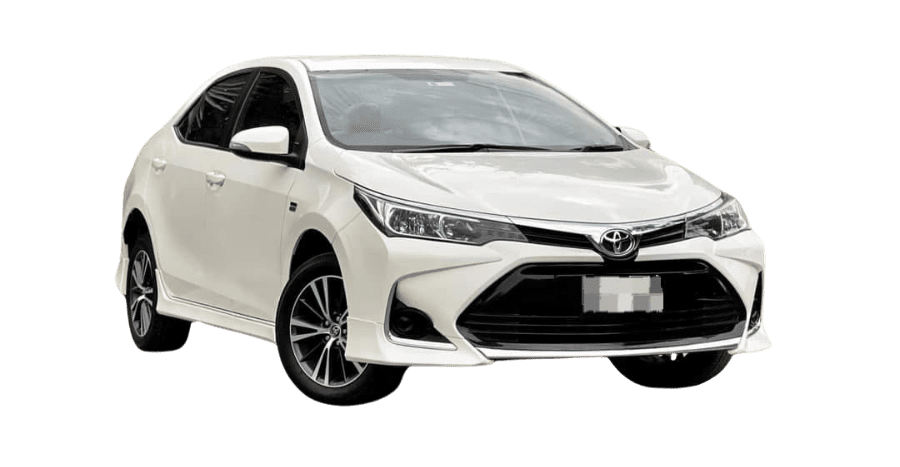
- Sedans (Toyota Corolla / Honda Civic): Ideal for small families or couples (up to 3–4 passengers). Modern sedans easily navigate the paved sections of the KKH and Babusar Pass in summer, provided the driver is experienced with mountain inclines.
- SUVs & 4x4s (Toyota Prado / Fortuner / Hilux Revo): Recommended for ultimate comfort, higher ground clearance, and handling remote side valleys like Hopar, Naltar, or Khunjerab Pass without underbody scraping.
- Passenger Vans (Toyota Grand Cabin / HiAce): Essential for larger families or corporate groups of 7 to 13 people. These vehicles offer generous legroom and luggage space for long-haul mountain travel.
If you prefer not to manage the physical exhaustion of a 14-hour mountain drive, renting a vehicle with an experienced mountain driver is highly recommended. Explore our wide range of maintained sedans, 4x4s, and vans in our car fleet section to choose the perfect match for your trip.
Step 3: Map Out Your Stoppages and Night Halts
Attempting to drive from Islamabad to Hunza in a single uninterrupted stretch is dangerous due to driver fatigue. Structuring your journey with planned breaks keeps everyone refreshed.
Recommended Night Break (Summer): Spend Night 1 in Naran or Batakundi. Departing Islamabad at 5:00 AM gets you to Naran by mid-day (around 5–6 hours drive), leaving the afternoon free to visit Lake Saif-ul-Malook. On Day 2, leave early to cross Babusar Top, arriving in Karimabad, Hunza by late afternoon.
Recommended Night Break (Winter/Besham Route): Spend Night 1 in Besham or Chilas. Departing Islamabad early via the Hazara Motorway brings you to Besham in about 6 hours, or Chilas in 10–11 hours. Break the journey, rest overnight, and cover the remaining 5–6 hours to Hunza the next morning.
Step 4: Prepare for Altitude Changes and Vehicle Performance
As you ascend from Islamabad (elevation 540 metres) to Babusar Top (4,173 metres) and Karimabad (2,500 metres), atmospheric pressure drops significantly. Air becomes thinner, which affects both human bodies and vehicle engines.
- Vehicle Oxygen Loss: Naturally aspirated engines lose roughly 3% to 4% of their horsepower for every 1,000 feet of elevation gain. Expect your car to feel slightly less responsive on steep climbs near Babusar. Use lower gears (Gear 2 or L) to maintain engine torque without overheating your brakes on descents.
- Hydration and Altitude Care: Drink plenty of water throughout the drive. Dehydration accelerates altitude sickness symptoms like mild headaches or nausea. Avoid sleeping at the absolute peak of Babusar Top; take photos and descend promptly toward Chilas.
Step 5: Establish Fuel, Currency, and Mobile Connectivity Strategies
Self-sufficiency is paramount once you cross Mansehra. Infrastructure becomes sparser as you head deeper into the mountains.
- Fuel Refilling Points: Always keep your tank at least half full. Fill up completely at major stations in Abbottabad, Naran (if using Babusar route), or Besham. The next reliable fuel stations are at Chilas, Jaglot, and Gilgit. Calculate an average consumption of 70 to 90 litres of fuel one way, depending on engine capacity and luggage weight.
- Mobile Networks: Regular mobile networks (Jazz, Telenor, Zong) work well along motorways and major towns like Gilgit and Aliabad. However, for seamless coverage in remote pockets of Gilgit-Baltistan, purchase an SCOM SIM card upon entering Gilgit or Hunza. SCOM is the local telecom operator providing robust 4G service across the region.
Route Comparison: Babusar Pass vs. Karakoram Highway via Besham
To help you choose the best path from Islamabad to Hunza, review this quick side-by-side comparison of the two main travel routes:
| Feature | Babusar Pass Route (via Naran) | Besham Route (Main KKH) |
|---|---|---|
| Total Distance | ~590 km | ~620 km |
| Driving Time | 12 – 14 Hours | 15 – 17 Hours |
| Seasonal Availability | June to October only | Open year-round |
| Peak Elevation | 4,173 metres (Babusar Top) | ~1,250 metres (Chilas area) |
| Scenery & Views | Lush pine valleys, alpine lakes, high meadows | Rugged Indus river gorges, dramatic rocky cliffs |
| Road Quality | Smooth paved asphalt, steep switchbacks | Mix of newly carpeted highway and construction zones |
| Recommended Stopover | Naran / Batakundi | Besham / Chilas |
Expert Local Travel Tips for a Smooth Journey
Here are several practical insights gathered from years of driving experience across northern Pakistan:
- Depart Before Dawn: Leaving Islamabad between 3:30 AM and 4:30 AM allows you to bypass morning traffic bottlenecks near Hasan Abdal and Abbottabad, placing you in scenic Kaghan Valley by breakfast time.
- Respect Mountain Curves: Never attempt blind overtaking on sharp turns along the Karakoram Highway. Heavy long-haul trucks and local coasters require extra turning radius; give them right of way.
- Use Engine Braking on Descents: When coming down from Babusar Top towards Chilas, do not ride your brakes continuously. Shift to a lower gear to let engine compression control your speed, preventing brake pad overheating and fluid failure.
- Carry Cash for Tolls and Local Markets: The Hazara Motorway utilizes electronic and cash toll plazas. Ensure you have small currency notes for quick toll transactions and roadside dhaba tea breaks.
- Sample Local Roadside Refreshments: Stop at roadside dhabas in Garhi Habibullah or Balakot for hot trout fish, fresh Kashmiri chai, and locally baked naan to keep energy levels high.
Common Mistakes to Avoid on the Hunza Road Trip
Even seasoned drivers can run into unexpected problems in the high mountains. Avoid these common pitfalls:
- Driving Night Hours on KKH: Avoid driving past 8:00 PM along unlit stretches between Chilas and Rai Kot. Rockfalls, stray livestock, and reduced visibility make night driving extremely risky. Plan to reach your hotel before dark.
- Overloading Underpowered Cars: Loading a 1,000cc hatchback with five adults and heavy luggage for the steep incline of Babusar Pass strains the engine and clutch plate. Rent a larger sedan or SUV if travelling fully loaded.
- Ignoring Daily Weather and Road Reports: Landslides can temporarily block sections of the KKH during monsoon rains (July–August). Always check daily updates from the National Highway Authority (NHA) or local tourist authorities before heading out.
- Forgetting Cold Weather Gear in Summer: While Islamabad may be scorching at 40°C in July, temperatures at Babusar Top can hover near freezing (2°C–5°C) with brisk mountain winds. Keep warm jackets easily accessible in your cabin bags.
Frequently Asked Questions (FAQs)
1. How many hours does it take to drive from Islamabad to Hunza?
Under clear conditions via the Babusar Pass route in summer, the total drive time is approximately 12 to 14 hours. If travelling via the Besham route during winter, the drive takes between 15 to 17 hours due to longer distances and heavy transport traffic.
2. Is the road from Islamabad to Hunza suitable for standard sedans like Corolla or Civic?
Yes, standard sedans like the Toyota Corolla, Honda City, or Honda Civic can easily travel from Islamabad to Hunza Valley, especially via the Babusar Pass route during summer. The main Karakoram Highway is paved all the way to Karimabad, Attabad Lake, and Passu. However, drive cautiously over speed bumps and unpaved patches near roadwork zones.
3. Do I need a 4x4 vehicle to explore Hunza Valley?
You do not need a 4x4 for the main highway connecting Islamabad, Gilgit, Karimabad, Attabad Lake, and Khunjerab Pass. However, if you plan to visit rugged side destinations such as Naltar Valley, Shimshal Valley, or Rama Meadows, a 4x4 vehicle like a Toyota Prado or Hilux Revo with high ground clearance is required.
4. Which month is best for an Islamabad to Hunza road trip?
The best time for a road trip is between May and October. June through August offers pleasant green landscapes and open access via Babusar Pass. October is world-famous for Hunza's autumn foliage, where poplar trees turn vibrant shades of gold, orange, and red.
5. Should I drive myself or hire a car with an experienced local driver?
If you have solid experience with steep mountain inclines and long-distance driving, self-driving can be enjoyable. However, hiring an experienced chauffeur allows you and your family to relax, enjoy the mountain views, and navigate narrow mountain passes safely without driver exhaustion.
Plan Your Dream Hunza Road Trip Today
A road journey from Islamabad to Hunza is an adventure of a lifetime, offering dramatic scenery, rich local heritage, and warm mountain hospitality. By selecting the right route, preparing your essential checklist, and choosing a reliable vehicle, you set the foundation for a stress-free vacation across northern Pakistan.
At Al Farooq Rent a Car, we specialize in providing well-maintained sedans, luxury 4x4 SUVs, and spacious passenger vans equipped specifically for long-distance mountain tours. Whether you need a smooth airport pickup or a dedicated chauffeur who knows every turn of the Karakoram Highway, our team is ready to serve you. To discuss your travel itinerary or secure your vehicle, feel free to get in touch through our contact page.
Ready to hit the road? Book your ride with Al Farooq Rent a Car today - call 0316 1574544 or visit alfarooqrentacar.com to reserve your vehicle for an unforgettable Hunza journey!