
To rent a car in Islamabad during monsoon, plan for changing visibility, standing water, traffic delays and possible route disruption not just pickup and drop. Choose a roadworthy vehicle with a driver who knows the local route, share your full journey, allow extra time and check official weather and traffic updates before departure.
Pakistan’s National Disaster Management Authority warned in its 2026 monsoon infrastructure advisory that intense rainfall and urban flooding can affect transport networks during July–September. That does not mean every Islamabad road is unsafe. It means a route that worked yesterday should not be assumed clear today.
The safest rule is simple: never enter floodwater or a closed route because another vehicle went first. Turn back or wait at a genuinely safe location and follow official instructions.
Quick monsoon rental checklist
Before the car reports, confirm:
- the booking is with a driver under Al-Farooq’s current driver-only policy;
- pickup, destination, return plan and all stops are written down;
- the vehicle category fits passengers and luggage;
- tyres, brakes, wipers, lights and demister are checked;
- the spare wheel, jack and basic tools are present;
- fuel is sufficient for the plan and possible diversion;
- the driver has a charged phone and hands-free communication plan;
- PMD/NDMA weather and Islamabad Traffic Police updates were reviewed;
- an alternative route and cancellation/postponement decision are agreed;
- airport, parking, waiting, toll and route-change costs are clear.
For a current quote, send Al-Farooq the date, pickup time, exact route, passenger and bag count, flight details if relevant, and whether the journey is city-only or outstation.
Why a with-driver rental helps in Islamabad rain
Al-Farooq currently provides cars with drivers only. During monsoon, a local driver can handle the driving while the passenger monitors flight, meeting and family updates. A driver may also know common diversions and can coordinate with the rental office if the route changes.
However, “with driver” is not a safety guarantee. Ask practical questions:
- Has the driver been briefed on the exact route and return time?
- Will the driver check official traffic updates before departure?
- Is there a clear instruction not to enter floodwater or ignore a closure?
- Who authorises a diversion, delay or trip cancellation?
- How will the driver communicate without handling a phone while moving?
- What support number should passengers use if the vehicle stops?
A professional decision may be to delay or cancel. Do not pressure a driver to continue into a flooded, landslide-prone or officially closed area to protect a timetable.
Vehicle check before pickup
The National Highways and Motorway Police advises travellers to check vehicle fitness, including tyres, brakes, lights and essential equipment. For monsoon use, add visibility and water-related checks.
Tyres
Tyres should have legal, usable tread, correct pressure and no obvious cuts, bulges or exposed material. The spare should also be usable. Passengers are not expected to perform a mechanical inspection, but they can ask the rental team to confirm the pre-trip check and report any visible concern before leaving.
Brakes
Brakes should respond normally without pulling, grinding or warning lights. If anything feels wrong, the driver should stop safely and contact the company rather than continuing.
Wipers and washer fluid
Wipers must clear the windscreen without leaving visibility-blocking streaks. Washer fluid and working nozzles matter when spray and dirt accumulate.
Lights and indicators
Headlights, brake lights, rear lights, indicators and hazard lights should work. Lights help other road users see the vehicle; they do not make high-speed driving in poor visibility safe.
Windscreen, demister and air conditioning
The windscreen should be clear and undamaged in the driver’s view. Test the front and rear demisting functions where fitted. Fogged glass can reduce visibility even when rainfall is light.
Battery, fuel and emergency equipment
Confirm fuel for the route, especially before an outstation trip where a diversion may add distance. The vehicle should carry its spare wheel, jack and appropriate tool kit. A charged torch, drinking water and basic first-aid supplies are sensible additions; none replaces emergency services.
Route planning for Islamabad city travel
Do not publish or trust a permanent list of “flood-free” Islamabad roads. Drainage, rainfall intensity, construction and traffic controls change. Plan from live sources.
Before departure
- Check the latest PMD forecast or warning.
- Review NDMA advisories during active weather.
- Check Islamabad Traffic Police’s official channels for diversions and closures.
- Ask the driver or rental office to confirm the proposed route.
- Add a time buffer and identify a safer alternative.
- Share arrival expectations with the destination.
For movement between Blue Area, sectors, Rawalpindi, the airport or housing communities, provide the exact pickup rather than a broad area name. A driver cannot plan drainage or road access from “Islamabad to Bahria” alone.
During heavy rain
- reduce speed to suit visibility and grip;
- increase following distance;
- avoid sudden steering, braking and overtaking;
- keep full attention on the road;
- do not use cruise control in hazardous wet conditions;
- avoid low-lying water, nullahs, underpasses or barriers when authorities warn or close them;
- find a safe stopping place if visibility becomes inadequate.
Passengers should avoid distracting the driver. If route research or calls are needed, a passenger can handle them while the vehicle is stopped or through safe coordination.
Never cross a flooded road
Water can hide an open drain, damaged surface, current, debris or washed-out edge. Its depth and force are difficult to judge from inside a vehicle. An SUV is not permission to cross.
If water covers the route:
- stop before the water at a safe distance without blocking traffic;
- do not follow another vehicle into it;
- turn around if a safe route exists;
- follow police, rescue or road-authority directions;
- tell the rental office and destination about the change;
- call the relevant emergency service if people are in immediate danger.
NDMA’s 2026 guidance advises avoiding flooded bridges and roads because they may be structurally unsafe. No booking deadline is more important than that warning.
Islamabad Airport rental during monsoon
Rain can affect traffic and flight schedules separately. Send the airline, flight number, terminal, scheduled time, passenger contact, destination and baggage count.
Ask the rental company:
- how the flight will be monitored;
- how much waiting is included;
- where the passenger and driver will meet;
- whether airport parking is included;
- what happens if a city route is closed or delayed;
- whether the vehicle category fits all passengers and luggage.
For departures, leave an additional route buffer based on the live forecast and traffic—not a fixed number copied from a blog. The airline controls check-in and flight decisions; the rental company cannot guarantee an on-time flight arrival.
Murree and northern-route bookings in monsoon
An Islamabad-to-Murree, Nathia Gali or northern-area journey needs a fresh route assessment. Heavy rain can cause falling material, landslides, low visibility and road closures. NDMA and NHMP both advise checking weather and road conditions before travel.
Before confirming:
- provide the full itinerary, stops, nights and return date;
- ask whether the exact vehicle is suitable for the planned road;
- confirm fuel, driver duty and accommodation terms;
- check PMD, NDMA, NHMP and relevant local authority updates;
- keep a postponement or alternate-destination option;
- avoid night travel when the official situation or visibility makes it unwise;
- never treat a social-media video as proof that a route is open now.
For route guidance on national highways and motorways, NHMP lists helpline 130. For Islamabad traffic information, Islamabad Police lists ITP helpline 1915 and emergency 15. Numbers and service availability should be rechecked on official pages.
Choosing the right rental category
Rain does not automatically require a large SUV. Choose from the actual trip:
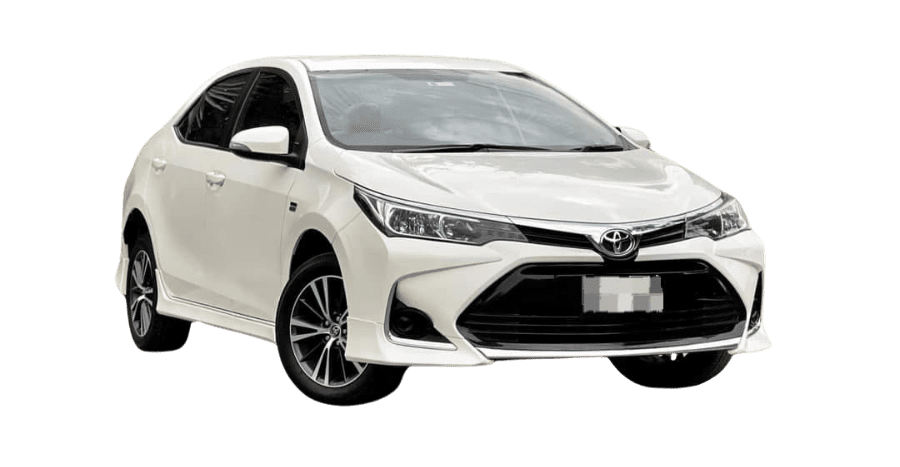
- City travel, one to three passengers, light luggage: a maintained hatchback or sedan may be sufficient.
- Family/airport travel with bags: compare sedan, BR-V and SUV based on usable luggage space.
- Group travel: Hiace or Grand Cabin can be more practical than several small cars.
- Outstation or route-specific need: ask for a vehicle assessment; do not assume a badge or four-wheel drive defeats water, landslides or closures.
The vehicle should fit the approved route and passenger load. Overloading harms handling and is not acceptable.
See the current Islamabad rental rates and fleet guide for categories, then confirm the exact car and terms.
What to put in the written quote
The written confirmation should include:
- date and reporting time;
- pickup, stops, destination and return;
- exact or agreed vehicle category;
- passenger and luggage plan;
- with-driver service;
- duty hours and waiting;
- fuel, tolls, airport parking and other exclusions;
- outstation terms where relevant;
- process for a weather delay, diversion, cancellation or vehicle problem;
- advance, refund/cancellation and balance terms.
Weather can change after confirmation. Agree how both sides will handle an official closure or unsafe route before paying.
Passenger checklist on the day
- Keep phones charged and share the trip with a trusted contact.
- Carry essential medicines, water and a light rain layer.
- Use seat belts on every journey.
- Keep bags secure and do not obstruct the driver’s view.
- Do not ask the driver to speed because of a delay.
- Do not exit beside moving traffic, floodwater, nullahs, poles or unstable slopes.
- Follow police, rescue and road-authority directions.
- If conditions deteriorate, accept a safe delay or cancellation.
Frequently asked questions
Is it safe to rent a car in Islamabad during monsoon?
It can be, when the vehicle is roadworthy, the driver and route are properly planned, and the trip follows current official weather and traffic advice. No company can guarantee safety in every storm or on a closed route.
Does Al-Farooq offer self-drive in Islamabad?
No under the current site policy. Al-Farooq provides rentals with a driver. Confirm the policy and availability when booking.
Which car is best for rain in Islamabad?
There is no universal best. A maintained sedan can suit normal city travel; a larger vehicle may fit more passengers or a route-specific requirement. Tyres, brakes, visibility equipment, load and route decisions matter more than size alone.
Can a Prado or 4×4 cross floodwater?
Do not attempt it. Water can hide depth, current and road damage. Turn back or wait safely and follow official instructions.
How early should I leave for Islamabad Airport in rain?
Use the live forecast, traffic conditions, pickup area and airline requirement to set the buffer. A fixed time in an evergreen article would be misleading.
How do I book?
Call or WhatsApp 0316 1574544 with date, time, pickup, route, passengers, luggage and flight/outstation details. Ask for a written quote and monsoon route plan before confirming.
Book a with-driver Islamabad monsoon journey
Al-Farooq Rent A Car provides driver-included city, airport and outstation bookings from Islamabad and Rawalpindi, subject to vehicle and route availability. Review Travel & Tours for trip planning or use the contact page to send your complete route.
Weather and road conditions can change rapidly. Always follow current government and emergency-service instructions over this article or any booking plan.