

Introduction
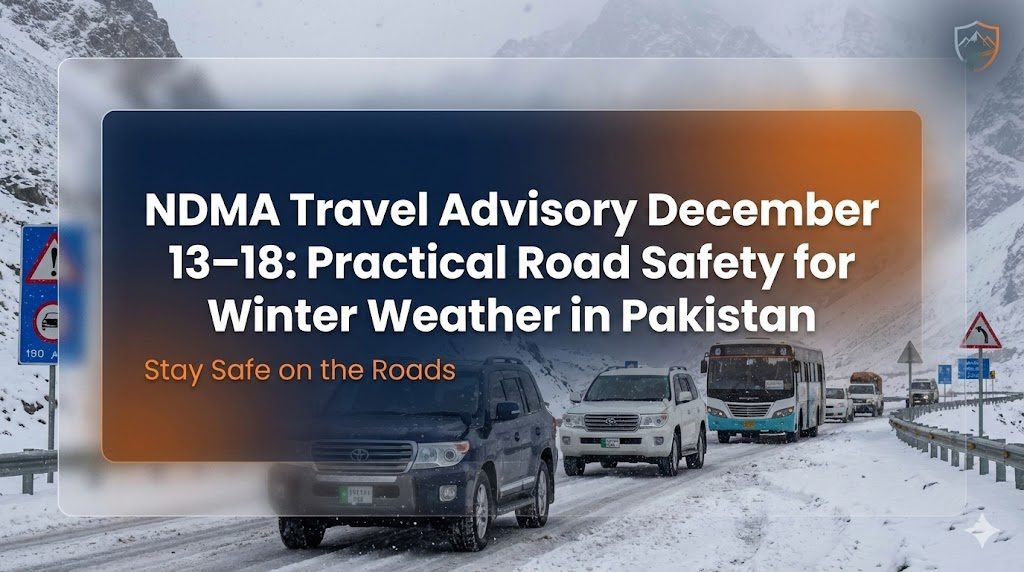
The NDMA travel advisory December 13–18 highlights a winter pattern that can turn a clear afternoon into low-visibility fog or slick, slushy stretches within hours—especially across northern Punjab, Pothohar, and the hill tracts. For travelers moving between Rawalpindi–Islamabad, Hazara Division, Murree–Galiyat, and fog-prone plains of Sindh, the message is straightforward: slow down, widen your safety margin, and prioritize visibility. The National Disaster Management Authority (NDMA) has cautioned that this spell includes light to moderate rain, snowfall over hilly areas, and fog during the morning and night window, which can affect intercity highways, mountain feeder roads, and local commutes.
What the Advisory Implies for Real-World Driving
Rapidly Changing Micro-Conditions
Winter weather in Pakistan rarely stays uniform through the day. A route that feels dry and predictable around noon can accumulate moisture and visibility issues by late afternoon. Temperature dips after sunset, shaded valleys, and wind shifts around river belts (Sutlej, Indus floodplains) intensify fog and black-ice risks. Mountain roads—Murree, Galiyat, Thandiani approaches, and sections of the Hazara expressway feeder roads—may face intermittent slick patches even with “light” snowfall forecasts. NDMA’s note and concurrent forecasts from official agencies point to exactly this “sudden change” profile.
Where Travelers Typically Get Caught Off-Guard
- Hill Stations & Link Roads: Sharp gradients and shaded hairpins around Murree–Galiyat and beyond Abbottabad can hold slush longer than main corridors.
- Motorways & Highways: M-1/M-2/M-15 and GT Road segments can flip from clear to fog-bound, particularly near river crossings and low-lying sections.
- Plains in Sindh: Morning and night radiation fog can abruptly collapse visibility, then clear by midday, then return again by nightfall.
Trip Planning That Actually Works in This Weather
1) Choose Your Departure Window
- Hill travel: Target a late-morning start (10:00–11:00 AM) so road crews and local vendors are active if you need chains, hot water, or basic assistance. Avoid post-sunset descents when meltwater re-freezes in shadows.
- Fog-prone plains: Travel midday where possible. If you must start early, build in buffer time and alternate stops along the corridor.
2) Build Redundancy Into the Day
- Keep your fuel above half. Unexpected delays (convoy controls, fog standstills, snow clearance) are common.
- Carry snacks, drinking water, power bank, warm layers, and a small flashlight.
- Download offline maps for areas with spotty coverage.
3) Road Intelligence Before and During Travel
- Check official weather outlooks (short-range updates) and keep them handy. The Pakistan Meteorological Department’s weekly outlook is concise and useful to anticipate fog/rain windows.
- If you’re on motorways, monitor overhead VMS boards and follow National Highways & Motorway Police instructions for lane discipline and speed advisories.
Driving Technique for Three Common Winter Hazards
A) Fog: “Drive What You Can See”
- Lights: Use low beams; high beams scatter and worsen glare. Front fog lights help if fitted; avoid rear fog unless visibility is truly poor (you don’t want to dazzle following traffic).
- Speed discipline: Match speed to stopping distance within visible range. If you can’t stop within what you see, you’re too fast.
- Following distance: Extend your gap substantially (think 4–6 seconds minimum).
- No heroics: Postpone overtakes unless you can see the entire pass window. If visibility collapses, pull into a safe lay-by; avoid stopping on the shoulder except for emergencies.
B) Rain: “Smooth Inputs, Clean Glass”
- Tyres & wipers first: Worn treads and streaking wipers magnify risk.
- Aquaplaning protocol: If the wheel feels light over standing water, lift off gently and keep the steering straight; do not brake hard.
- Braking style: Squeeze the brake early and progressively; anticipate signals far ahead.
C) Snow & Slush: “Low Gear, Low Drama”
- Climbs/descents: Use lower gears to control speed; save brakes for fine control.
- Chains: Carry snow chains when there’s a chance of accumulation on approaches to Murree–Galiyat or beyond. Practice fitting once at home—your first try shouldn’t be on a freezing shoulder.
- Steering: Small, deliberate inputs. If you start to slide, keep your eyes on your escape path and gently steer toward it while easing off the throttle.
The 60-Second Departure Check (That Prevents Most Winter Breakdowns)
Tyres:
- Minimum 3 mm tread depth is a realistic winter threshold. Uneven shoulder wear or bald spots mean reduced wet/snow grip.
- Set pressures to manufacturer spec when tyres are cold; under-inflation increases heat and rolling resistance, over-inflation reduces the contact patch.
Wipers & Washer:
- Replace streaking blades; top up washer fluid. Road salt, grime, and slush require frequent sprays.
Lights & Battery:
- Confirm all lamps work. Cold starts stress weak batteries—if cranking has been sluggish lately, test or replace before a mountain trip.
Fluids & Heat:
- Coolant level, engine oil, and cabin heater/defogger performance matter more in winter; you want quick demist.
Route-Specific Notes for Rawalpindi–Islamabad Travelers
Murree–Galiyat Loop
- Expect intermittent slow-moving convoys after fresh snowfall; local authorities often meter flows on steeper segments to reduce pileups.
- Shaded bends hold ice even when sunlit straights look clear. Treat bridges and culverts with extra caution—cold air flows under decks, freezing them first.
Hazara Side Trips (M-15 and Feeder Roads)
- M-15 is generally well-managed, but feeder roads to Thandiani and pipeline tracks can be slippery after flurries. Ensure your spare tyre and jack are accessible; soft verges can complicate roadside swaps.
Pothohar & Motorway Fog Pockets
- River-adjacent plains—Kallar Kahar basin and low undulations—tend to collect fog. If advisory boards reduce speed limits, comply early; you’ll save fuel and avoid sudden braking chains in low visibility.
Vehicle Choice Matters: Pick the Right Drivetrain and Tyres
- Compact sedans/hatchbacks are fine for city hops when the forecast is “fog only,” but a crossover/SUV with better ground clearance is more forgiving on slushy hill approaches.
- Front-wheel drive handles moderate slick conditions well; AWD adds margin on climbs but isn’t a substitute for winter-ready tyres and good judgment.
- For frequent hill trips, consider all-weather or winter-leaning tyres with sipes that clear water and grip slush; the difference in braking distance is tangible.
Sensible Packing for Winter Trips
- Warm layers & gloves: If you need to handle chains or a puncture in wind chill, you’ll be glad you packed them.
- Microfibre towel & anti-fog cloth: Quick wipe-downs keep your field of view clear when passengers track in moisture.
- Power bank & car charger: Congestion after weather incidents can be lengthy.
- Snacks & water: Keep energy steady and reduce stop-and-go in crowded lay-bys.
When Plans Change Mid-Route
- Reroute to a safer corridor when overhead signs or police advise diversions—don’t chase your original ETA through deteriorating conditions.
- Stop early if a mountain destination is beyond the day’s window. The last 15 km up to a hill station is where most risk compounds after dark.
- Message your contact with a live location before you enter patchy coverage zones.
If You’re Booking a Chauffeur-Driven Trip
For travelers who must be on the road during these windows—airport runs, medical appointments, or intercity obligations—a chauffeur-driven car with a professional who regularly drives in fog and hill conditions can reduce stress. For Islamabad and Rawalpindi travelers, you can review local options for a rent a car in Islamabad on the official Al Farooq site and plan an itinerary that fits these winter advisories, including slack time for weather holds.
You can review detailed rent a car in Islamabad options on the official Al Farooq Rent a Car website.
Fuel, Stop Strategy, and Etiquette in Bad Weather
- Fuel strategy: Top up in the plains before climbing; hill stations often face queues when weather turns.
- Rest breaks: Use well-lit service areas to clean lamps and number plates, stretch, and re-hydrate.
- Courteous driving: Pass stuck vehicles safely only when directed. Throwing wheel-spin slush at pedestrians or roadside crews is more than rude—it reduces local goodwill when you might need help minutes later.
Why Official Guidance Matters
The NDMA issues situational advisories to help the public adjust behavior to changing hazards. Pairing NDMA’s outlook with Pakistan Meteorological Department updates creates a workable picture for the next 24–72 hours—especially for fog bands and snowfall thresholds that directly impact driving decisions. Before you depart, skim the latest advisory language and check fresh updates in case timing shifts.
Quick Reference: Do’s and Don’ts
Do
- Keep your lights clean and on low beam in fog.
- Add two–three extra car lengths to your normal following distance.
- Downshift on descents; rely less on brakes in slush.
- Carry chains when the route includes likely snow.
- Travel midday in fog-prone regions.
Don’t
- Drive to the posted speed when visibility is low; drive to what you can see.
- Stop on the live shoulder in dense fog; reach a proper lay-by.
- Attempt overtakes when you can’t see the full pass window.
- Assume a “quick dash” up to a hill station at twilight; it’s when things deteriorate.
FAQs
1) What is the safest time to travel during the NDMA travel advisory December 13–18 window?
Midday travel reduces fog risk in plains and avoids the evening re-freeze in hills. For hill trips, aim to arrive before late afternoon so you’re not descending after sunset when slick patches return.
2) Are snow chains necessary for Murree and Galiyat during light snowfall?
They’re not always mandatory, but carrying chains is sensible for hill approaches in this advisory window. Conditions can shift quickly; chains may be required by local authorities on steep segments after fresh flurries.
3) Should I use high beams in fog on motorways?
No. High beams scatter in fog and reduce your ability to see; use low beams and front fog lights (if available). Increase following distance and match speed to visible stopping distance.
4) What’s the most important prep step for intercity night travel in this spell?
Tyres and visibility: adequate tread depth, correct pressures, clean lamps, fresh wiper blades, and sufficient washer fluid. Keep your fuel above half and plan rest stops.
5) If I must make an early-morning airport transfer from Rawalpindi to Islamabad during fog, what’s wise?
Leave earlier than usual, keep speed conservative on Srinagar Highway and motorway segments, and consider a professional chauffeur familiar with fog discipline so you can focus on time buffers and updates rather than driving.
Disclaimer
All information in this article is compiled in good faith from official advisories and standard road-safety practices for winter travel in Pakistan. Weather and road conditions can change without notice. This content is informational and does not constitute legal or professional safety advice. Al Farooq Rent a Car is not liable for decisions made or actions taken based on this article. Always follow directions from official authorities, consult the latest government advisories before departure, and drive within the limits of visibility, traction, and local regulations.