
Context at a glance: A resolution has been moved in the Punjab Assembly to allow driving licences at age 16 (instead of 18). It is not law yet. Until a bill passes and receives the Governor’s assent, current rules remain in force. This article clarifies what’s on the table, what is still unchanged, and what parents and young riders in Islamabad, Rawalpindi, and across Punjab should realistically plan for in 2025–26.
Introduction
“Punjab driving licence age 16” has become a hot search term after a member of the Provincial Assembly tabled a resolution to lower the minimum age for a licence from 18 to 16. The idea resonates with a large youth population and recurring mobility needs in cities like Lahore, Rawalpindi, and Faisalabad. At the same time, it raises immediate questions about road safety, training standards, insurance, and enforcement.
This guide breaks the topic down for ordinary families: what has been proposed, what steps must legally happen before anything changes, how the existing rules work today, and how to prepare if the age-limit debate moves forward.
Where the proposal stands today
Resolution vs. law
A resolution is a political statement of intent or recommendation. It is not self-executing law. For the driving age to formally change in Punjab, a bill must be introduced, debated, passed by a majority, and then sent to the Governor for assent. Only after that process will the new rule be enforceable.
What remains in force right now
As of today, the standing rule for a driving licence in Punjab is a minimum age of 18 for motor vehicles, with additional category-specific requirements (learner’s permit, theory test, practical assessment, and medical fitness). Applicants must still apply through the official Driving Licence Issuance Management System (DLIMS), book tests, and complete formalities under the existing framework. You can review current requirements and process flows on the official provincial portal (DLIMS).
External reference: The Government of Punjab’s Driving Licence Issuance Management System (DLIMS) portal publishes eligibility and process information for licences and learner’s permits. Use it to confirm current age requirements and booking steps as they stand today.
Why the 16-year age proposal is being discussed
Demographics and mobility
Punjab has a large share of young people who need safe, affordable mobility for college, early work, and family support. In commuter corridors across Lahore, Rawalpindi–Islamabad, and urban Faisalabad, two-wheelers have become practical transport for short and medium distances.
Comparative references
Supporters point to examples where graduated or provisional licensing lets teens ride or drive with restrictions. The argument is that earlier, structured exposure—paired with training—can produce safer riders than informal, unlicensed practice on public roads.
Economic considerations
Earlier legal access, coupled with formal training, could help young people contribute to family businesses, deliveries, and errands—especially in areas with limited public transport coverage. Any change, however, must be designed with safety and enforcement at the core.
The legal path if Punjab lowers the age
If the government pursues this change, expect a staged process:
- Draft bill: A bill specifying licence categories (e.g., motorcycle up to a certain cc), minimum age (16), and conditions (training hours, helmet standard, parent/guardian consent).
- Committee review: Deliberations may add safety provisions: theory curriculum, high-visibility vests, special L-plates, and stricter penalties for violations.
- Assembly vote: Passage by a majority in the Punjab Assembly.
- Governor’s assent: The bill becomes law after assent; the government then frames or amends rules for implementation.
- Operational rollout: DLIMS workflows, traffic police training, and public awareness campaigns update to reflect the new regime.
Until these steps are completed and notified, the 18-year rule applies.
International practices often cited in the debate
Different jurisdictions allow younger riders or drivers under graduated licensing models:
- Motorcycle/scooter at 16–17 with engine capacity caps, mandatory training, and strict helmet enforcement.
- Night-time curfews, passenger limits, and zero alcohol tolerance until full privileges are earned.
- Mandatory protective gear and insurance rules aligned to teen licensing.
Punjab can adapt elements of these models to local roads, traffic patterns, and enforcement capacity.
Practical implications for families if 16-year licensing is adopted
1) Likely scope: motorcycles first
The earliest change—if enacted—would most plausibly apply to motorcycles/scooters within a defined cc limit. Private cars at 16 would be a separate, more complex policy decision with heavier safety and insurance implications.
2) Training and tests will matter more
Expect mandatory training hours, a stricter theory test covering road signs and hazard perception, and a practical exam focused on real traffic conditions. Failure rates initially may be higher as standards tighten.
3) Insurance and liability
Insurers may issue policies with special conditions for 16–17 year-old riders (higher premiums, collision deductibles, or telematics data). Families should factor the annual insurance cost and policy terms into their decision.
4) Protective gear and visibility
A robust helmet standard (e.g., certified full-face or modular) and high-visibility vests could be made compulsory. Parents should budget for quality helmets and protective jackets/gloves—these are not optional expenses.
5) Curfews and passenger limits
A provisional licence could restrict night riding, pillion passengers, highway travel, or speeds. Families should prepare for graduated privileges that unlock with a clean record over 12–24 months.
What stays unchanged for now (2025–26 planning)
- Minimum 18 years remains the age for a standard driving licence under current provincial practice.
- The learner’s permit → theory test → practical test sequence stays in place.
- Helmet laws, traffic fines, and documents checks remain enforceable as before.
- Parents remain responsible for ensuring minors do not ride unlicensed on public roads.
For the latest operational details on testing slots, offices, fees, and categories, refer to the provincial licensing portal (DLIMS), not social media forwards.
Road safety first: a rider’s checklist for teens (and parents)
Whether the age drops or not, safe riding habits save lives:
- Helmet discipline: DOT/ECE-rated full-face helmet, proper fit, snug chin strap—every trip, every rider and pillion.
- Visibility: Reflective vest, working headlamp/taillight, clean indicators, and a horn in good order.
- Bike condition: Tyre tread, brakes, chain tension, fluids, and mirrors checked weekly.
- Documents: CNIC/juvenile B-form (as applicable), learner’s permit/licence, registration, tax tokens, insurance.
- Defensive riding: Keep distance, anticipate sudden stops, avoid blind spots of buses and trucks, and treat intersections with extra caution.
- Phone discipline: No calls, no texting while riding. Pull over in a safe place.
- Weather judgement: Slow down in rain; painted crosswalks and manhole covers are slippery.
Parents can set household rules that go beyond legal minima—e.g., no night rides for the first six months, mandatory weekend practice with a trained adult, and periodic safety refreshers.
City-specific realities in Punjab’s big corridors
Lahore
Dense traffic on Ferozepur Road, Canal Bank, and Mall areas demands strong lane discipline and hazard awareness. If 16-year licensing arrives, training should mirror real congestion and bus corridor interactions.
Rawalpindi–Islamabad
Murree Road, IJ Principal Road, Kashmir Highway, parts of Srinagar/Islamabad Expressway, and Ring Road links present mixed conditions—from stop-and-go to higher-speed segments. Novice riders should avoid high-speed segments until they’ve logged substantial supervised hours.
Faisalabad, Multan, Gujranwala
Industrial traffic, tractors, and mixed vehicles require generous following distances and early braking. Local training centers should simulate heavy-vehicle proximity and junction risks.
Enforcement capacity and data—keys to making any change work
Lowering the age without resourcing training, testing, and enforcement would invite risk. If the policy advances, Punjab should:
- Expand instructor capacity and standardize curriculum across licensing centers.
- Introduce computer-based testing for hazard perception.
- Equip traffic police with bodycams and handheld verification for licences and insurance.
- Publish quarterly accident dashboards stratified by age, vehicle type, helmet compliance, and time of day—so policy is guided by data, not guesswork.
What families can do now, before any change
- Start formal training early: Even if the age stays at 18, early off-road training in safe environments builds muscle memory and judgement.
- Save for safety gear: Budget for quality helmets and jackets before budgeting for cosmetic accessories.
- Plan the commute: Map quieter streets, safer crossings, and parking with lighting and CCTV.
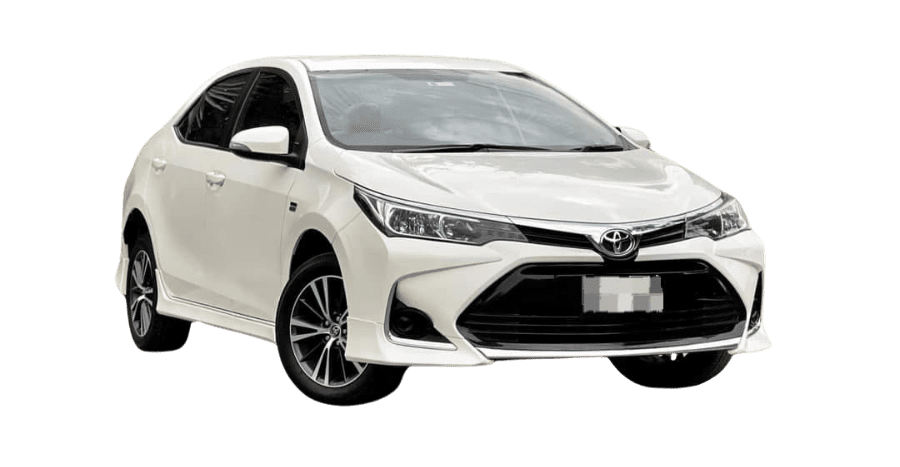
- Use licensed options: For unavoidable trips where a teen cannot legally ride, book a professional driver. In Islamabad and Rawalpindi, many families choose a car-with-driver for school runs, exams, or airport transfers to keep kids off two-wheelers in peak traffic. You can review detailed rent a car in Islamabad options on the official Al Farooq website to compare vehicles and rates based on your route and timings.
When renting a car with driver makes sense for teens’ schedules
Parents often weigh the total cost of a two-wheeler plus gear against door-to-door chauffeur service during high-risk months (exams, winter fog, late tuition). A with-driver option reduces exposure to road risks, avoids parking hassles, and can be time-efficient for multi-stop itineraries (school → academy → sports). If your teen’s commute crosses high-speed corridors or poorly lit stretches, a sedan or MPV with an experienced driver may be a safer bridge until your child qualifies for a full licence.
(For city commutes, airport arrivals, or intercity appointments, consider a pre-booked, vetted driver rather than ad-hoc rides. It’s popular for Islamabad–Rawalpindi households who need predictable pickup windows.)
Possible models if Punjab adopts 16-year licensing
A balanced framework could include:
- Category cap: 16–17 year-olds limited to motorcycles up to a defined cc and power-to-weight ratio.
- Compulsory training: Minimum on-bike hours with certified instructors; classroom theory covering local hazards.
- Provisional licence: Curfew after 10 p.m., no pillion for first six months, zero-tolerance for traffic violations.
- Helmet & gear mandate: Defined standards; police empowered to seize vehicles for non-compliance.
- Parent/guardian consent: Joint responsibility for conduct and insurance.
- Clean record progression: Automatic upgrade to broader privileges at 18 for riders with zero major violations.
This balances access and safety, addressing concerns from parents, schools, and hospitals while acknowledging real mobility needs.
The bottom line for 2025–26
- A resolution has been floated to move the Punjab driving licence age to 16; it is not yet law.
- Families should continue planning around the current 18-year requirement and use official government portals for real updates.
- If the age is lowered later, expect training, graduated privileges, and enforcement to be integral.
- In the interim, where safety is a concern, consider a car-with-driver for essential trips, particularly in busy corridors and late hours.
Staying anchored to official updates prevents confusion. When the law changes, the implementation details will matter even more than the headline age.
FAQs
1) Is the Punjab driving licence age 16 already approved?
No. A resolution has been moved, but the age limit remains 18 until a bill passes the Assembly, receives the Governor’s assent, and is notified.
2) If the age is lowered, will it apply to cars or only motorcycles?
Expect motorcycles/scooters to be addressed first, likely with cc limits and safety conditions. Cars at 16 would require a separate policy decision.
3) Will helmets and training be mandatory for 16–17 year-olds?
If adopted, the framework will likely include compulsory training, exam standards, and strict helmet rules. Proper, certified helmets should be treated as essential regardless.
4) Can 16-year-olds ride on highways under a new rule?
Provisional licences often exclude high-speed routes, night riding, or carrying passengers. The final bill—if tabled—would specify these conditions.
5) What’s the safest interim option for school and academy commutes?
Until rules change, families may prefer a with-driver car service for peak-hour or after-dark commutes—common in Islamabad–Rawalpindi for predictable, safer door-to-door travel.