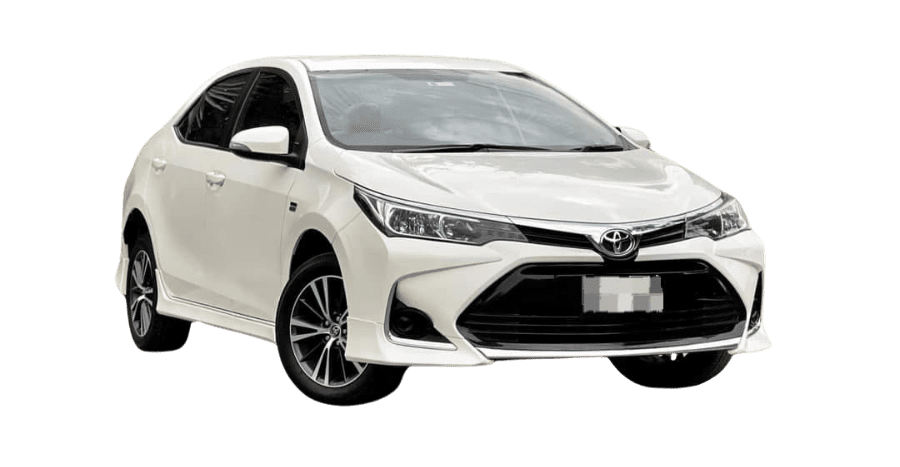


The automotive landscape in Pakistan is once again facing turbulence as Indus Motor Company (IMC) — the official assembler of Toyota vehicles — has raised serious concerns about the recent surge in used car imports. In its latest Directors’ Report submitted to the Pakistan Stock Exchange (PSX), the company cautioned that unchecked imports of second-hand vehicles could undermine Pakistan’s already struggling local auto manufacturing sector.
Surge in Used Car Imports Alarms Local Automakers
According to Toyota’s report, used car imports in Pakistan increased by nearly 54%, reaching 13,537 units in the first quarter of FY2025-26, compared to 8,771 units in the same quarter of the previous year.
The spike came after the government revised its commercial import policy in September 2025, now allowing the import of used vehicles up to five years old, subject to a 40% additional regulatory duty. While this policy was intended to provide more affordable options for consumers, automakers warn it could destabilize the domestic industry, discourage local investment, and reduce job opportunities in manufacturing and supply chains.
In a statement, Toyota highlighted:
“This policy will hurt the local auto industry in the long term and needs to be revisited.”
Industry experts agree that while imported vehicles give buyers more options, a flood of used car imports could drastically slow down production recovery for local automakers — especially those that recently resumed operations after the economic challenges of 2023–24.
Toyota’s Production and Sales Show Strong Growth Despite Challenges
Despite external pressures, Toyota reported notable improvements in production and sales. In the first quarter of FY2025-26, vehicle production rose by 54%, reaching 10,230 units, while total sales (including locally assembled CKD and imported CBU units) climbed 59% to 9,976 units.
The increase was primarily driven by strong demand for Toyota Corolla, Hilux Revo, and the Yaris variants, which continue to dominate Pakistan’s mid-range and utility vehicle markets.
Overall, the auto industry’s total sales reached 42,267 units during the quarter, showing a 53.2% year-on-year increase. However, IMC clarified that operations are still running at around 50% capacity, reflecting how production remains constrained by import restrictions, fluctuating demand, and foreign exchange instability.
For Pakistani families and business travelers seeking reliable transportation without long-term ownership costs, Al Farooq Rent a Car Islamabad provides an excellent alternative with maintained vehicles available for city and intercity use.
Toyota Maintains 15% Market Share Amid Economic Volatility
Even with rising competition and unpredictable economic conditions, Toyota retains a strong 15% share in Pakistan’s automotive market. The company emphasized that continued growth depends on key economic factors — currency stability, inflation control, and consistent auto financing — which collectively influence consumer purchasing power.
In recent years, Pakistan’s car market has faced repeated disruptions from currency depreciation, high markup rates on auto loans, and import restrictions that affected supply chains for CKD kits and parts.
Toyota’s current strategy focuses on balancing production efficiency with demand flexibility, while managing costs linked to raw materials and foreign exchange. Maintaining this balance will be vital for sustaining profitability and ensuring stable employment in the sector.
Industry Risks: Used Imports Threaten Local Investment
Industry leaders, including Toyota, have expressed concern that growing volumes of imported used cars could weaken Pakistan’s local auto manufacturing base.
Local assemblers like IMC, Honda Atlas, and Pak Suzuki collectively employ tens of thousands of workers and contribute billions in taxes and vendor development. However, the new import policy encourages the entry of commercially imported used vehicles, which could reduce local assembly demand and shift focus away from domestic production.
Economists also warn that a surge in imports may lead to a higher current account deficit, putting further pressure on Pakistan’s foreign exchange reserves. Toyota’s report emphasized that a balanced import policy is necessary to sustain local employment, encourage future investment, and preserve industrial growth momentum.
For individuals or businesses needing temporary mobility solutions instead of investing in a personal vehicle amid uncertain market conditions, Al Farooq Rent a Car Rawalpindi offers reliable and affordable rent a car with driver options for daily and long-distance travel.
Broader Economic Context: Auto Industry and Policy Challenges
The auto industry’s performance is often viewed as an indicator of Pakistan’s economic health. During FY2023–24, the sector faced severe contraction due to import restrictions and rising input costs. However, 2025 brought partial recovery as the government relaxed certain import controls, allowing local assemblers to restart operations.
Yet, the new commercial import policy for used cars may undo some of that progress. By opening doors for large-scale used car imports, policymakers risk slowing down industrial expansion at a time when local manufacturers are just regaining footing.
As a result, Toyota has called on the government to review the import policy and create a balanced framework that supports both consumer affordability and local production sustainability.
Toyota’s Forward-Looking Statement: Cautious Optimism
In its official remarks, Toyota stated that while the company remains “cautiously optimistic” about the ongoing recovery in demand, major risks persist. These include:
- Currency volatility affecting import costs.
- Limited availability of auto financing due to high interest rates.
- Unpredictable regulatory changes.
- Supply chain vulnerabilities linked to raw material imports.
The report also acknowledged the company’s ongoing efforts to localize manufacturing and strengthen vendor partnerships to reduce dependency on imported components. Toyota reaffirmed its long-term commitment to Pakistan’s automotive market, emphasizing that stable policies and economic predictability are crucial for sustainable industry growth.
The Broader Impact of Used Car Imports on Consumers
While imported used vehicles often appear attractive due to lower prices and better specifications, they come with their own set of challenges — such as limited parts availability, higher maintenance costs, and uncertain warranty coverage.
In contrast, locally assembled vehicles offer after-sales support, trained technicians, and access to authorized service centers across Pakistan. Toyota’s warning underlines that a short-term influx of imported cars could harm not just manufacturers but also long-term consumers who depend on reliable local service and parts availability.
Hybrid and Electric Transition: A Missed Opportunity?
Interestingly, while automakers like Toyota are investing heavily in hybrid and EV technologies globally, Pakistan’s regulatory environment still lacks clear policies to support large-scale local assembly of hybrid electric vehicles (HEVs) or plug-in hybrids (PHEVs).
The recent spike in used imports includes older hybrid models that, while cheaper, don’t contribute to local industry development or technological advancement. Experts suggest that incentivizing local hybrid assembly would create jobs, reduce emissions, and align with Pakistan’s environmental goals.
Moving Forward
The debate around used car imports represents a critical crossroad for Pakistan’s auto policy. Balancing consumer affordability with industrial growth requires a nuanced approach that encourages fair competition while prioritizing domestic capacity building.
As the industry watches closely, the government’s response to Toyota’s warning could shape the future of Pakistan’s automotive ecosystem — determining whether it thrives through local production or remains dependent on external imports.
Toyota Pakistan Official Site – https://www.toyota-indus.com/
FAQs
1. Why is Toyota concerned about used car imports in Pakistan?
Toyota believes the surge in used car imports could hurt local manufacturing by reducing demand for locally assembled vehicles and impacting jobs.
2. What caused the recent spike in used car imports?
The government’s updated policy now allows commercial imports of vehicles up to five years old, subject to a 40% duty, which increased the volume of arrivals.
3. How did Toyota perform in FY2025-26 despite these challenges?
Toyota’s production rose by 54% and sales by 59% in Q1 FY26, driven mainly by demand for the Corolla, Hilux, and Yaris.
4. What share of the auto market does Toyota hold in Pakistan?
Toyota currently maintains a 15% market share, despite operating at roughly half its total production capacity.
5. How can consumers choose reliable transportation without buying imported vehicles?
Those preferring flexibility can use Al Farooq Rent a Car services in Islamabad and Rawalpindi for affordable, safe, and well-maintained travel options.