
Pakistan's automotive landscape has undergone significant transformation over the past two years, with 2024 marking a remarkable recovery phase for the industry. After facing challenging times in 2023, the market has bounced back with impressive growth figures, reshaping consumer preferences and establishing clear winners in various vehicle segments. For residents of Islamabad and Rawalpindi looking to understand the current automotive market dynamics, this comprehensive analysis provides valuable insights into Pakistan's best-performing vehicles and what drives consumer choices in our major cities.
The Remarkable Market Recovery of 2024
Pakistan's automotive sector witnessed an impressive 52.1% growth in 2024, reaching 125,048 units sold according to PAMA data. This recovery comes after a challenging 2023 when the market experienced significant contraction. While 2024's sales figures of 124,802 units represent substantial improvement, they remain 45% below the peak performance of 2022 when 226,691 cars were sold.
The recovery trajectory indicates renewed consumer confidence, particularly in urban centers like Islamabad and Rawalpindi where economic activity has stabilized. Government policy adjustments, including modifications to import duties and local assembly incentives, have contributed to this positive momentum. Additionally, improved foreign exchange reserves and relative currency stability have made vehicle financing more accessible for middle-class buyers across Pakistan's major cities.
Suzuki Alto: The Undisputed Champion
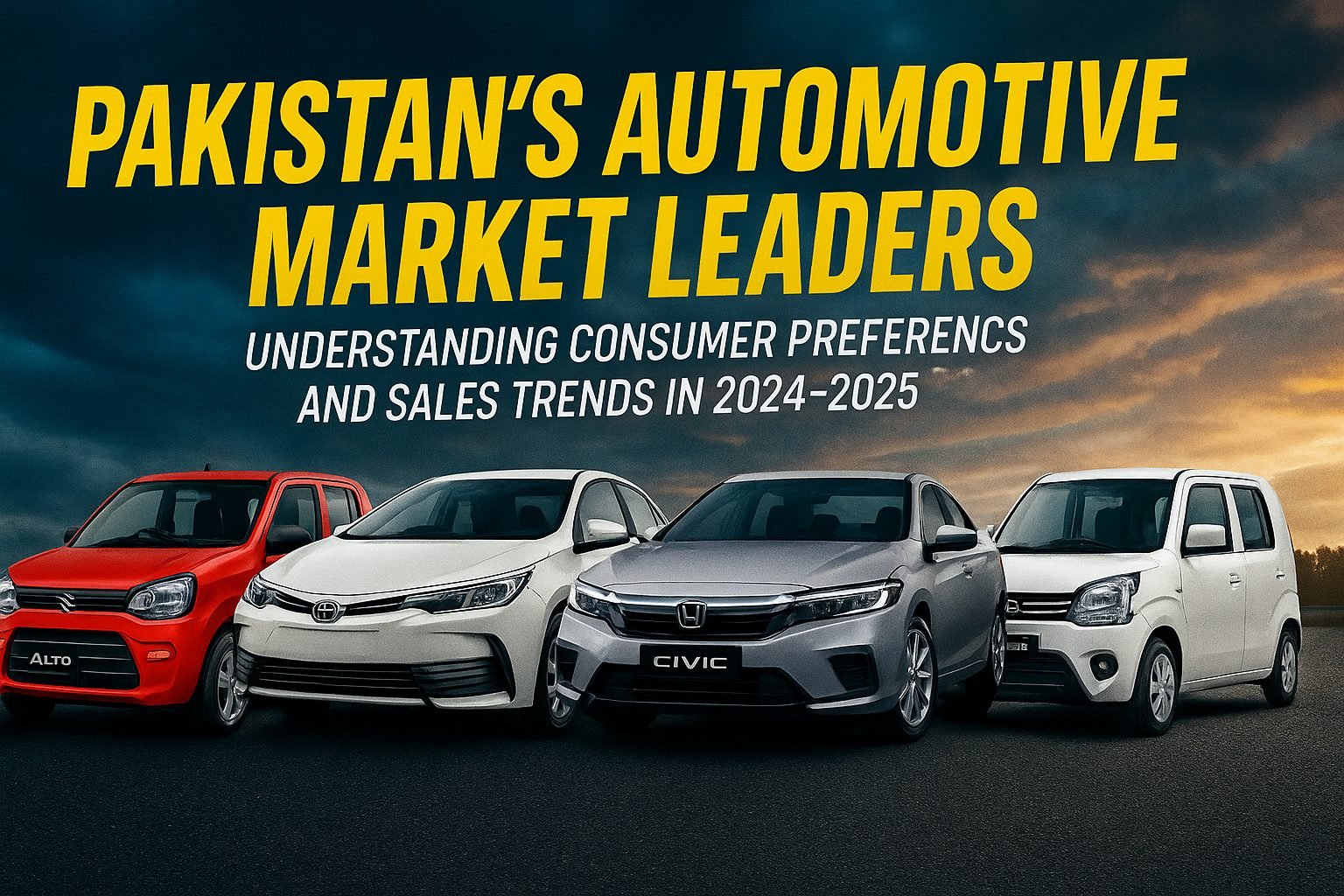
The Suzuki Alto achieved a record-breaking 33.6% market share in 2024, with particularly strong performance reaching 45.5% share in April. This compact hatchback has emerged as Pakistan's absolute favorite, dominating sales charts across all major cities including Islamabad and Rawalpindi. From July to November 2024 alone, Pak Suzuki sold 15,479 units of the Alto, surpassing any other vehicle in the market.
The Alto's success story represents more than just sales numbers; it reflects changing consumer priorities in Pakistan's evolving economy. Priced competitively between PKR 2.3 million to PKR 2.9 million, the Alto offers an attractive value proposition for first-time car buyers and small families. Its fuel efficiency, averaging 20-22 kilometers per liter in city conditions, makes it particularly appealing for daily commuters navigating the busy streets of Islamabad and Rawalpindi.
The vehicle's compact dimensions prove advantageous in Pakistan's congested urban environments, while its relatively low maintenance costs appeal to budget-conscious consumers. Suzuki's extensive dealer network across Pakistan, with multiple service centers in Islamabad and Rawalpindi, ensures convenient after-sales support, further cementing the Alto's position as the people's car.
Toyota's Consistent Performance in the Sedan Segment
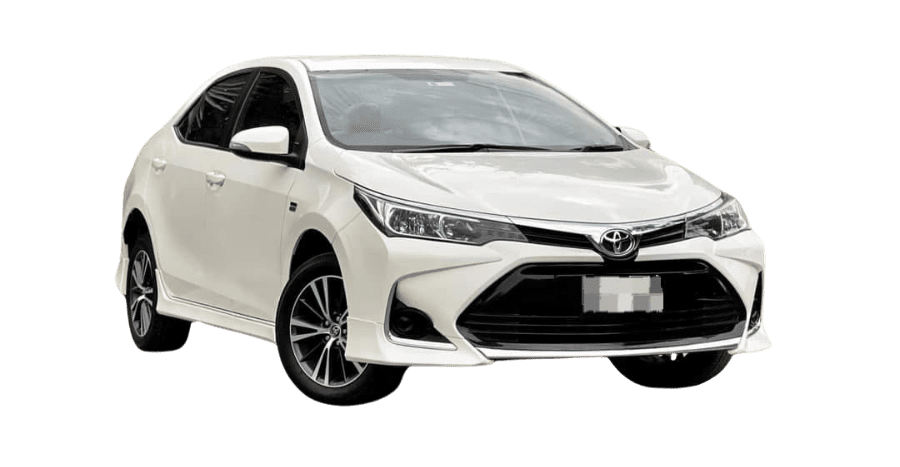
Toyota Corolla and Yaris continue to lead the sedan category, maintaining strong positions despite increased competition. Toyota's reputation for reliability and resale value remains unmatched in Pakistan's automotive market. The Corolla, priced between PKR 6.4 million to PKR 7.5 million, continues attracting middle to upper-middle-class buyers who prioritize durability and brand prestige.
The Yaris, positioned as Toyota's entry-level sedan, has successfully captured market share from competitors by offering Toyota reliability at a more accessible price point ranging from PKR 4.3 million to PKR 5.5 million. Both models benefit from Toyota's legendary build quality and extensive service network, with dedicated 3S dealerships in Islamabad and Rawalpindi ensuring comprehensive customer support.
Toyota's success extends beyond individual model performance. The company's localization strategy, with significant parts manufactured domestically at their Karachi plant, has helped maintain competitive pricing despite economic fluctuations. This approach resonates particularly well with buyers in Islamabad and Rawalpindi who value long-term ownership costs and vehicle reliability.
Honda's Strategic Market Positioning
Honda achieved a notable milestone in March 2024 by overtaking Toyota in monthly sales, demonstrating the brand's growing appeal among Pakistani consumers. Honda City and Civic combined sold approximately 5,259 units each during the June 2023 to May 2024 period, showcasing steady demand for Honda's sedan offerings.
The Honda City, priced between PKR 5.0 million to PKR 5.8 million, targets young professionals and small families seeking a balance between affordability and features. Its modern design language and fuel-efficient engine appeal to urban buyers in Islamabad and Rawalpindi who prioritize style alongside practicality. The Civic, positioned in the premium sedan segment with prices ranging from PKR 7.5 million to PKR 9.8 million, attracts buyers seeking advanced features and sporty performance.
Honda's investment in local assembly and parts manufacturing has enabled competitive pricing while maintaining quality standards. The company's focus on introducing modern features like turbocharged engines and advanced safety systems has helped differentiate its offerings in an increasingly competitive market.
Emerging Trends and New Entrants
The market witnessed significant developments in November 2024 with the Suzuki Swift rising to the #2 position and the introduction of the Dewan Honri VE, Pakistan's first locally assembled hatchback EV. These developments signal evolving consumer preferences and the gradual shift toward alternative fuel vehicles.
The electric vehicle segment, though nascent, represents future growth potential. With fuel prices remaining volatile and environmental consciousness growing among urban consumers, particularly in cities like Islamabad where air quality concerns are increasing, EVs are gaining attention. Government incentives for electric vehicles, including reduced customs duties and sales tax exemptions, are making these vehicles more accessible to Pakistani consumers.
Chinese manufacturers are increasingly establishing their presence in Pakistan, offering feature-rich vehicles at competitive prices. Brands like Changan, BAIC, and MG are challenging traditional market leaders by providing modern technology, advanced safety features, and attractive warranty packages. Their success in capturing market share demonstrates Pakistani consumers' willingness to consider alternatives when value propositions are compelling.
Regional Market Dynamics: Focus on Islamabad and Rawalpindi
The twin cities of Islamabad and Rawalpindi represent a unique microcosm of Pakistan's automotive market. With higher per capita income compared to the national average, these cities witness stronger demand for premium vehicles alongside budget-friendly options. The presence of government institutions, diplomatic missions, and corporate headquarters in Islamabad creates demand for executive sedans and SUVs.
Rawalpindi's commercial hub status and its role as a transit point for northern areas generate specific vehicle requirements. Commercial vehicles, pickup trucks, and seven-seater options perform particularly well here. The city's proximity to industrial zones also drives demand for light commercial vehicles and cargo vans, segments that contribute significantly to overall automotive sales.
Traffic patterns in both cities influence vehicle preferences. The relatively organized road infrastructure in Islamabad favors sedan purchases, while Rawalpindi's mixed traffic conditions and varied terrain make compact cars and crossover SUVs popular choices. Seasonal tourism to northern areas from these cities also impacts vehicle rental and purchase decisions, with many families preferring vehicles suitable for long-distance travel.
Financing and Ownership Trends
Vehicle financing plays a crucial role in driving sales across Pakistan. Banks and financial institutions have introduced competitive auto loan packages, with interest rates ranging from 16% to 22% per annum depending on credit profiles and down payment amounts. The standard financing tenure of 3-7 years makes vehicle ownership accessible to a broader customer base in Islamabad and Rawalpindi.
Insurance costs, averaging 3-4% of vehicle value annually, remain a consideration for buyers. Comprehensive coverage has become increasingly important given rising vehicle prices and repair costs. The availability of tracker-based insurance options and usage-based policies is making insurance more affordable for budget-conscious consumers.
Registration and transfer fees in Islamabad and Rawalpindi follow federal guidelines but vary based on engine capacity. These costs, combined with annual token taxes, influence purchasing decisions, particularly for buyers considering vehicles with larger engines. The recent digitization of vehicle registration processes has simplified ownership transfers, benefiting both buyers and sellers in the used car market.
Alternative Transportation Solutions
While vehicle ownership remains aspirational for many Pakistani families, practical considerations often necessitate alternative transportation solutions. Rising vehicle prices, maintenance costs, and parking challenges in congested urban areas make car ownership increasingly complex. For residents and businesses in Islamabad and Rawalpindi requiring flexible transportation without ownership commitments, professional car rental services offer viable alternatives.
Whether for business travel between cities, family trips to northern areas, or temporary transportation needs, rent a car services in Islamabad provide convenience without long-term financial obligations. Services like Al Farooq Rent a Car cater to diverse requirements, from daily rentals for local use to extended rentals for intercity travel, offering well-maintained vehicles at competitive rates. This flexibility particularly benefits corporate clients, tourists, and families who need reliable transportation for specific periods without the burden of ownership costs.
Market Outlook and Future Projections
Industry observers anticipate continued growth in 2025, though achieving the 2022 sales levels remains challenging. Several factors will influence market performance, including economic stability, fuel prices, and government policies regarding automotive sector development.
The gradual introduction of hybrid and electric vehicles will reshape market dynamics. Government commitments to reducing carbon emissions and promoting clean energy align with global automotive trends. Local assembly of hybrid vehicles by major manufacturers could make these environmentally friendly options more accessible to Pakistani consumers.
Infrastructure development, particularly road network improvements connecting major cities, will influence vehicle preferences. The ongoing motorway expansions and urban transport projects in Islamabad and Rawalpindi region will likely boost demand for comfortable long-distance vehicles while maintaining strong sales for city-friendly compact cars.
Consumer Advice for Vehicle Purchase Decisions
For potential buyers in Islamabad and Rawalpindi considering vehicle purchases, several factors merit careful consideration. Fuel efficiency remains paramount given fluctuating petroleum prices. Vehicles offering 15+ kilometers per liter in city conditions provide better long-term value. Resale value, particularly strong for Japanese brands, should influence purchase decisions for buyers planning medium-term ownership.
After-sales service availability significantly impacts ownership experience. Choosing brands with established service networks in your area ensures convenient maintenance and genuine parts availability. Extended warranty options, though adding initial cost, provide peace of mind and protect against unexpected repair expenses.
Consider total ownership costs beyond purchase price. Insurance, maintenance, fuel consumption, and depreciation collectively determine actual vehicle expenses. For irregular usage patterns or short-term needs, exploring rental options might prove more economical than ownership.
Frequently Asked Questions
Q: Which car offers the best value for money in Pakistan's current market? A: The Suzuki Alto leads in value proposition with its affordable price range of PKR 2.3-2.9 million, excellent fuel efficiency, and low maintenance costs, making it ideal for budget-conscious buyers in Islamabad and Rawalpindi.
Q: What factors contributed to the 52% growth in Pakistan's auto sector in 2024? A: Key factors include economic stabilization, improved foreign exchange reserves, competitive financing options, government policy adjustments, and pent-up demand from the previous year's market contraction.
Q: Are electric vehicles viable options for daily use in Islamabad and Rawalpindi? A: While infrastructure is developing, EVs like the locally assembled Dewan Honri VE are becoming viable for city use, supported by government incentives and growing charging infrastructure in major urban centers.
Q: Which sedan offers the best resale value in Pakistan? A: Toyota Corolla consistently maintains the highest resale value among sedans, typically retaining 70-75% of its value after three years, making it a preferred choice for buyers prioritizing long-term value.
Q: What are typical car financing rates in Pakistan for 2024-2025? A: Auto loan interest rates range from 16% to 22% per annum, depending on credit profiles, down payment percentages, and chosen financial institutions, with standard tenures of 3-7 years.
Q: Is it better to buy or rent a car for occasional use in Islamabad? A: For occasional use or specific travel needs, renting from services like Al Farooq Rent a Car often proves more economical than ownership, eliminating maintenance costs, depreciation concerns, and parking challenges while providing flexibility for different vehicle types based on specific requirements.