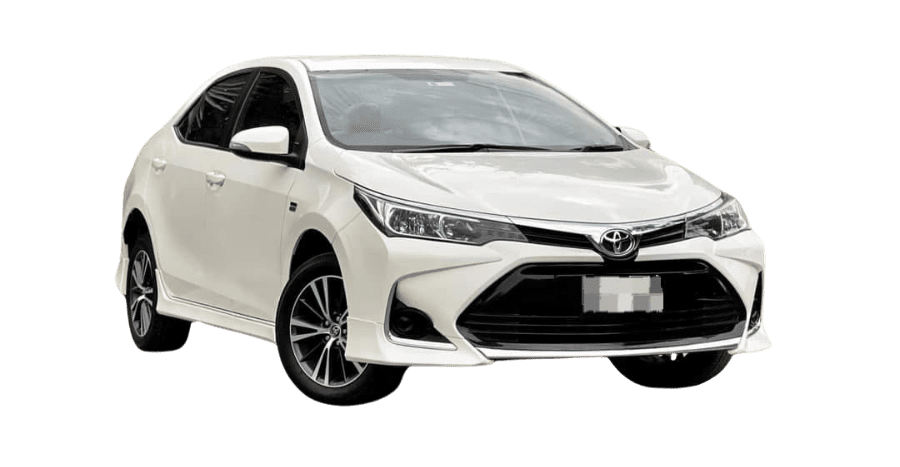


Toyota freight charges Pakistan March 2026 is a buyer concern because Toyota CKD prices are commonly shown as ex-showroom Karachi, while buyers in Islamabad, Rawalpindi, Lahore, Faisalabad, and other cities typically pay additional delivery/freight charges on top. When transport costs rise (fuel, logistics, route costs), the “extra over Karachi price” becomes more noticeable—so the same Toyota can feel slightly pricier even if the base ex-showroom number stays unchanged.
The fastest way to avoid surprises is to treat “ex-showroom Karachi” as the base, then demand a written breakup from the dealership: freight + withholding tax (filer/non-filer) + registration + any handling. For a reliable baseline reference for Toyota ex-showroom Karachi pricing, use the Indus network dealer price list page: Toyota Cars & MPVs Price List (Ex-Showroom Karachi).
Updated on: March 11, 2026 (Asia/Karachi)
Topic search phrases people use for this topic
- Toyota freight charges Pakistan March 2026
- Toyota delivery charges Pakistan
- Toyota ex-showroom Karachi price vs on-road
- Toyota on-road price Islamabad Lahore
- Toyota booking final payable amount Pakistan
Primary focus keyphrase used in this blog: Toyota freight charges Pakistan March 2026
Why “Buying a Toyota got pricier” can happen without a base price jump
Many buyers assume “price increase” always means the manufacturer increased the car’s ex-factory price. In Pakistan’s Toyota buying process, the payable amount has multiple moving parts. Even if the base number you see on price lists doesn’t change, the final bill can rise if these change:
- freight/delivery charges from Karachi to your city
- withholding tax differences (filer vs non-filer)
- registration and number plate fees (ICT vs Punjab vs Sindh)
- dealership handling and documentation charges
- insurance/tracker add-ons (where applicable)
That’s why people in Lahore, Islamabad, and Rawalpindi often say, “Toyota got expensive,” even when the headline price looks stable—because the add-ons are where the pressure shows up.
Toyota freight charges Pakistan March 2026: what “freight” actually means on an invoice
In dealership billing language, freight is usually the delivery cost component tied to:
- vehicle transport from the Karachi plant/yard to the dealership city
- route distance and handling
- logistics overhead that moves with fuel and fleet operating costs
The key point: freight is not a “hidden fee” by default—freight is normal in nationwide delivery. The problem is when buyers don’t see it clearly, or when it’s bundled into a single final number with no breakup.
So your best protection is simple: never accept a single lump-sum payable amount. Ask for a written breakup.
One table that keeps Toyota pricing clean: ex-showroom vs on-road vs delivered
Use this framework when you compare dealers or cities.
| Price layer | What it usually includes | Why it matters |
|---|---|---|
| Ex-showroom Karachi | Base vehicle price shown for Karachi | It’s the “starting point” many lists show |
| Delivered to your city | Ex-showroom + freight/delivery | This is where many buyers feel the “slightly pricier” change |
| On-road in your city | Delivered price + withholding tax + registration + plates | This is the real “final payable” you should budget |
If you’re comparing two dealers, compare at the same layer. Comparing “Karachi price” to “Islamabad on-road” always creates confusion.
Details section: the buyer’s formula for the final payable amount
Instead of chasing social posts and screenshots, use a simple calculation structure that stays correct in every city.
Final Payable (On-Road) = Ex-Showroom Karachi + Freight + Withholding Tax + Registration/Plates + Dealership Charges (if any) + Optional Add-ons (if chosen)
The only part that changes by city most is freight and registration.
A clean baseline for ex-showroom Karachi pricing can be referenced from Toyota dealer network lists that show the Karachi figure and filer/non-filer withholding amounts by model/variant.
Table: What to ask your Toyota dealer to write on the quotation
This single table prevents 80% of disputes and confusion.
| Item to be written | Why it matters | What you should say |
|---|---|---|
| Exact variant name | Different trims can differ sharply | “Write the exact variant and transmission.” |
| Ex-showroom Karachi price | Base reference for comparison | “Confirm the Karachi ex-showroom price for this variant.” |
| Freight / delivery charges | The part that often changes | “Write freight separately with city name.” |
| Withholding tax (filer/non-filer) | Can change payable amount significantly | “Write filer and non-filer tax separately.” |
| Registration + plates estimate | City/province impacts it | “Give the on-road estimate for my registration area.” |
| Handling/documentation charges | Often appears as a line item | “Write any dealer charges separately.” |
| Delivery timeline and validity | Avoid surprises at delivery | “Write validity date of this quotation.” |
If the dealer refuses to give a breakup, that’s your signal to compare another dealership.
City impact: why Islamabad, Rawalpindi, and Lahore feel the change more than Karachi
Karachi is the base reference for many Toyota ex-showroom figures, so Karachi buyers often see less “delivery gap.” Cities farther away can feel the freight impact more. This effect is not unique to Toyota; it’s a geography and logistics reality.
Islamabad and Rawalpindi
Twin-cities buyers usually face:
- longer delivery routes from Karachi
- ICT vs Punjab registration differences depending on where you register
- higher sensitivity to final payable because many buyers compare by “on-road in my city”
Lahore
Lahore buyers often see:
- delivery charges as a visible add-on
- higher on-road planning sensitivity because the city has heavy demand and quick market talk
- frequent comparisons across Toyota and Honda segments where “final payable” matters more than base price
If your budget is tight, don’t decide by the base figure. Decide by the on-road figure written on paper.
Pakistan buyer reality: why the market reacts quickly to freight changes
Buyers react fast for two reasons:
- Toyota has high demand and high visibility
Even small cost changes spread quickly because more people are shopping and discussing the same models. - Most people buy on monthly cashflow, not on “total price”
If the final payable moves upward, the booking and delivery cashflow stress rises. That is why even “slightly pricier” becomes a big deal in everyday conversation.
A practical example: how a “small freight change” becomes real money
Instead of guessing exact freight numbers, focus on what changes your cashflow.
If freight rises by even Rs 20,000–Rs 40,000 (illustration), that amount can equal:
- a month of fuel for some commuters
- multiple maintenance cycles on smaller cars
- a meaningful share of registration/plate costs
So your decision should be: “Can I carry the final payable comfortably?” not “Did the base price move?”
Decision section: who this matters most for, who should avoid rushing, and alternatives
Suitable for
This breakdown is most useful for:
- buyers finalizing a Toyota booking and planning delivery payment
- people comparing Toyota vs Honda on the basis of final payable
- families in Islamabad/Rawalpindi/Lahore who need a predictable budget
- business users who must keep transport reliable with minimal downtime
Who should avoid rushing
Avoid rushing your booking if:
- you have only a rough budget and no written breakup
- the dealer is bundling freight and fees into one number without details
- you’re not sure about filer status impact on withholding tax
- you are registering in a different city than where you’re buying and the dealer can’t confirm the process
Practical alternatives if your priority is timing and predictability
Sometimes buyers need mobility now but the car purchase is still in progress (booking, delivery wait, paperwork). In those cases, using a planned car-with-driver option for a short window can protect routine and timing—especially for airport runs, family commitments, or schedule-heavy workdays.
For planned city movement, you can review rent a car in Islamabad options. For Lahore travel, you can use rent a car in Lahore if you need predictable transport while your purchase decision settles.
(Al Farooq Rent a Car is mentioned here only as a practical stop-gap transport option, not as the topic.)
Scenario examples (real Pakistan buying situations)
Scenario 1: Islamabad buyer comparing Karachi price to Islamabad on-road
This buyer sees an online Karachi price and assumes that’s the payable number. Then the dealer quote includes freight, withholding tax, and ICT registration, and the buyer feels “Toyota got expensive.” The fix is a structured quote: compare only on-road numbers across options.
Scenario 2: Lahore buyer with a strict ceiling budget
This buyer has a hard cap. Even small delivery/freight adjustments can push the final payable above the cap. The safe move is to lock the final payable breakup early and keep a buffer for registration and handling.
Scenario 3: Buyer is filer vs non-filer uncertain
Withholding tax can change the final payable significantly. Before the booking step, confirm filer status and request the dealer to write both filer and non-filer figures so you can see the difference clearly.
Scenario 4: Business user planning delivery date for work travel
For business users, the real cost is delay. Some prefer to keep routine stable via planned transport until the new vehicle arrives, then switch. This reduces last-minute stress around meetings and travel commitments.
Common mistakes that make Toyota buying feel more expensive than it needs to be
- Comparing Karachi ex-showroom to Lahore/Islamabad on-road totals
- Accepting a lump-sum quote without freight and tax breakup
- Ignoring filer vs non-filer withholding difference until delivery day
- Paying “mandatory accessories” without confirming they are optional
- Forgetting that registration and plates are city-sensitive and can shift the final payable
FAQs
Toyota freight charges Pakistan March 2026: why do buyers outside Karachi pay more
Because many Toyota prices are shown as ex-showroom Karachi, and deliveries to other cities usually add freight/delivery charges. The farther the destination, the more visible that add-on becomes. The clean way to compare is to use a written breakup: ex-showroom Karachi, freight, withholding tax, registration, and any dealer charges.
Does a freight charge change mean Toyota increased the car’s base price
Not necessarily. A higher delivered or on-road payable can happen even if the ex-showroom base stays the same, because freight, taxes, and registration costs are separate layers. A written quote breakup helps you see what actually changed rather than guessing based on headlines.
What should I ask Toyota dealer to write before paying booking money
Ask for a written quotation listing the exact variant, ex-showroom Karachi price, freight as a separate line, filer/non-filer withholding amounts, and your city’s on-road estimate. Also ask for the quote validity date and delivery timeline. This keeps the final payable predictable and reduces disputes later.
Does this affect Toyota prices in Islamabad and Lahore the same way
Both cities usually feel delivery/freight more than Karachi because the base reference is often Karachi ex-showroom. The exact impact varies by dealer route and logistics costs, and the final payable also depends on registration area. Compare only on-road quotes for your city.
Is it reasonable to delay buying and use a short-term travel plan instead
If your purchase decision is waiting on a final payable breakup or delivery timeline, a short-term transport plan can protect routine and timing. Many people use a planned car-with-driver option for airport runs and schedule-heavy days until their purchase is finalized, then switch to their own vehicle.
Disclaimer
This blog is for general information only. Dealer quotations, freight/delivery charges, taxes, registration fees, and timelines can change based on official updates and dealership terms. Always confirm a written breakup for your exact city and variant before payment, and keep a buffer for on-road cost components.