

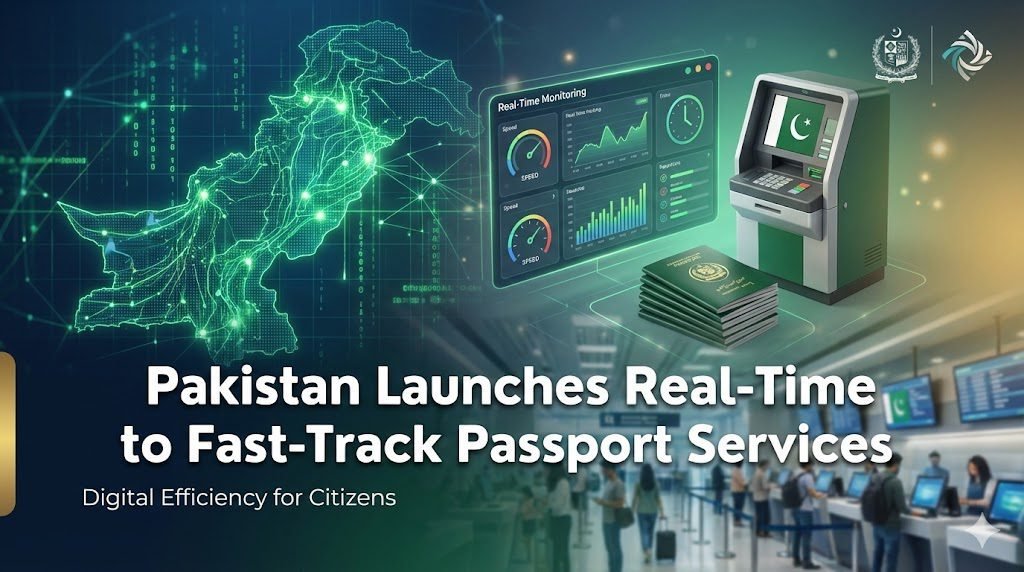
Pakistan’s passport issuance system has entered a new operational phase with the introduction of a 24/7 real-time digital monitoring framework. The initiative is designed to reduce delays, improve transparency, and strengthen accountability across passport offices nationwide. With increasing demand for travel documents due to overseas employment, education, and family travel, this system addresses long-standing bottlenecks that affected applicants in major cities such as Islamabad, Rawalpindi, Lahore, Karachi, and Faisalabad.
The passport real-time monitoring system in Pakistan has been rolled out to ensure round-the-clock oversight of processing workflows. By tracking applications digitally and supervising performance metrics continuously, the government aims to bring consistency and predictability to passport delivery timelines while minimizing public complaints.
Why Passport Processing Needed Structural Change
Over the past few years, Pakistan’s Directorate General of Immigration & Passports faced sustained pressure from rising application volumes. Several factors contributed to system strain:
- Increased overseas employment migration
- Higher demand for student visas
- Growth in short-term international travel
- Backlogs caused by manual oversight limitations
Applicants frequently reported uncertainty regarding application status, unexpected delays, and lack of coordination between passport offices and regional directorates. The absence of a centralized, live supervisory mechanism made it difficult to identify inefficiencies early.
The newly introduced monitoring system directly targets these weaknesses by shifting oversight from periodic reviews to continuous digital supervision.
What the 24/7 Digital Monitoring System Includes
The real-time monitoring setup integrates passport offices across Pakistan into a single digital oversight environment. Each application stage is now logged and tracked through centralized dashboards accessible to senior supervisory officials.
Core Functional Components
- Live tracking of passport applications from submission to dispatch
- Performance metrics for passport counters and processing units
- Automated alerts for unusual delays or workflow disruptions
- Centralized reporting accessible at federal and regional levels
This structure allows decision-makers to intervene immediately if processing slows down at any stage rather than reacting after complaints accumulate.
How the System Improves Processing Timelines
Under the previous structure, delays often went unnoticed until applicants followed up multiple times. The real-time monitoring approach replaces reactive management with preventive oversight.
Key improvements include:
- Early identification of workflow congestion
- Balanced workload distribution across counters
- Reduced dependency on manual reporting
- Clear accountability for processing delays
Applicants now benefit from more predictable passport issuance timelines, especially for urgent and executive categories.
Impact on Major Cities and Regional Offices
The implementation has a direct effect on high-volume passport centers, particularly in Islamabad and Rawalpindi, where demand is consistently high due to diplomatic travel, business movement, and overseas employment processing.
In Lahore and Karachi, where population density historically created longer queues, centralized monitoring allows federal authorities to deploy additional resources when demand spikes. Smaller cities and regional offices benefit equally by operating under the same standardized oversight framework.
Transparency and Accountability Measures
One of the most critical aspects of the passport monitoring system is transparency. Every processing stage is logged digitally, reducing reliance on discretionary decision-making.
This structure:
- Limits unauthorized file handling
- Creates audit-ready digital trails
- Enhances internal accountability
- Reduces applicant uncertainty
By recording time stamps at each stage, the system establishes a measurable performance baseline across all passport offices.
Role of Technology in Government Service Delivery
The passport monitoring initiative reflects a broader shift toward digitally governed public services in Pakistan. Similar monitoring models are being evaluated for NADRA, traffic licensing, and immigration checkpoints.
Real-time data visibility allows government departments to:
- Optimize staff deployment
- Measure service performance objectively
- Improve public trust through consistency
While the passport system remains document-based in nature, oversight has moved decisively into the digital domain.
Relevance for Travelers and Overseas Pakistanis
For individuals planning international travel, reliable passport issuance is foundational. Delays can affect:
- Employment contracts
- University admissions
- Medical travel plans
- Family reunification
As travel volumes increase, especially during peak seasons, system-level monitoring reduces unpredictability for applicants. Travelers coordinating international journeys often pair passport readiness with transport arrangements such as airport transfers or city-to-city travel.
In such cases, services like Al Farooq Rent a Car are frequently used for airport travel once documentation is finalized, particularly for families traveling from Islamabad or Rawalpindi to international departure points.
Integration with Existing Passport Categories
The monitoring system does not alter passport categories but enhances oversight across:
- Normal passports
- Urgent passports
- Executive passports
Each category now falls under the same real-time visibility framework, ensuring priority processing rules are applied consistently.
Official Oversight and Governance Structure
The monitoring system operates under the authority of the Directorate General of Immigration & Passports, with oversight routed through federal interior governance channels. According to official disclosures, supervisory teams now receive live performance feeds rather than weekly summaries.
For official information on passport services, processing categories, and application requirements, applicants should consult the Government of Pakistan’s Immigration & Passports Department website.
(External official source embedded as required)
Expected Long-Term Outcomes
The real-time monitoring framework is expected to:
- Reduce backlog accumulation
- Improve public satisfaction
- Enhance institutional accountability
- Support data-driven policy decisions
Over time, historical data from the system may help authorities forecast demand surges and allocate resources proactively.
FAQs
What is Pakistan’s real-time passport monitoring system?
It is a 24/7 digital oversight framework that tracks passport applications live across all processing stages to reduce delays and improve accountability.
Does the system change passport fees or categories?
No. Passport fees and categories remain unchanged. The system focuses on monitoring and efficiency rather than pricing.
Will passport processing be faster under this system?
The system is designed to identify and resolve delays earlier, leading to more consistent and predictable processing timelines.
Is the monitoring system active nationwide?
Yes. All passport offices across Pakistan operate under the centralized monitoring framework.
Does this affect urgent passport applications?
Yes. Urgent and executive applications are monitored more closely to ensure priority timelines are maintained.
Disclaimer
This article is published for general informational purposes only. Passport policies, processing timelines, and administrative procedures are subject to change based on government regulations and official notifications. Readers are advised to verify details directly from official government sources before making travel or documentation decisions. The website does not assume responsibility for changes, delays, or actions taken based on this information.