
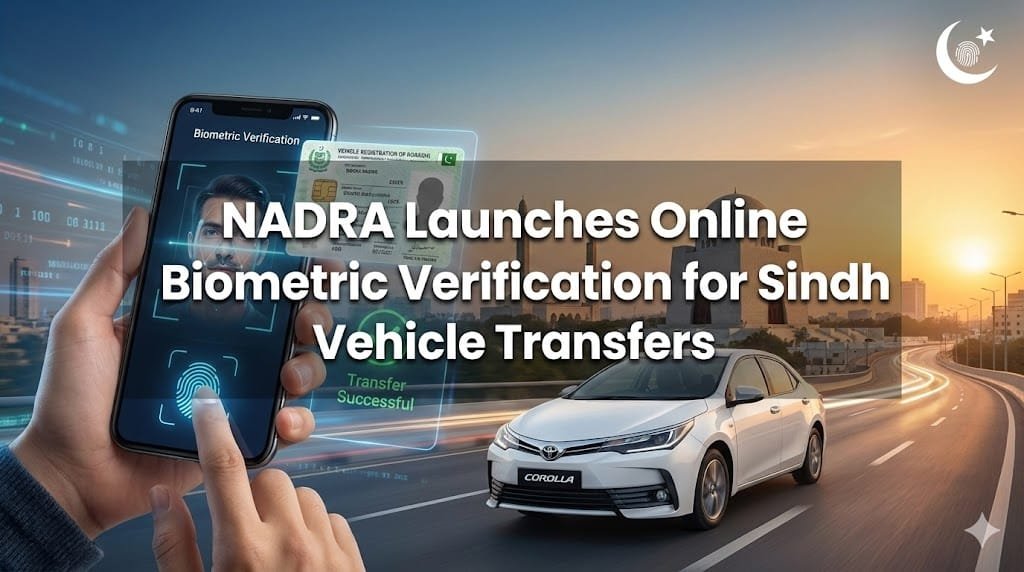
The launch of online biometric verification for Sindh vehicle transfers marks a structural shift in how ownership changes are processed in Pakistan. With this move, NADRA and the Sindh Excise & Taxation Department have introduced a digital mechanism that replaces repeated in-person visits, paper-heavy procedures, and manual identity checks that often slowed down transfers and created room for misuse.
For vehicle owners in Pakistan—particularly those buying or selling cars across cities—this change directly affects timelines, compliance, and transaction security. The system is especially relevant for individuals dealing with intercity ownership changes involving Karachi, Hyderabad, Sukkur, and links to buyers or sellers based in Islamabad and Rawalpindi.
This article explains how the NADRA online biometric verification for Sindh vehicle transfers works, what has changed from the old system, who benefits the most, and what buyers and sellers need to keep in mind going forward.
What Has Changed in Sindh Vehicle Transfers
Previously, vehicle transfers in Sindh relied heavily on physical biometric verification. Both buyer and seller were required to visit designated excise offices, often facing long queues, repeated visits, and delays due to incomplete documentation or system downtime.
Under the new arrangement:
- Biometric verification can be initiated online
- Identity checks are validated directly through NADRA’s centralized database
- Physical presence is minimized, except where legally required
- The transfer workflow becomes traceable and time-bound
This change is part of a broader digitization push aimed at reducing fraud, eliminating impersonation, and standardizing verification across provinces.
Why NADRA’s Role Matters
NADRA’s involvement is significant because it acts as the national authority for identity verification in Pakistan. By integrating its biometric database into vehicle transfer workflows, the risk of forged CNICs, fake sellers, or unauthorized transfers drops sharply.
The online biometric verification for Sindh vehicle transfers uses NADRA’s existing identity framework, which includes:
- CNIC-based authentication
- Biometric fingerprint matching
- Real-time verification responses
This ensures that only the legitimate owner—or a legally authorized representative—can approve a transfer.
How the Online Biometric Process Works
While exact steps may evolve as the system scales, the current structure follows a simplified flow:
Initiation of Transfer
The seller initiates the vehicle transfer request through the Sindh Excise digital platform. Required vehicle and identity details are submitted electronically.
Biometric Verification Request
The system triggers a biometric verification request linked to the seller’s CNIC. This request is routed to NADRA’s verification infrastructure.
Digital Authentication
The seller completes biometric verification through approved digital channels or designated facilitation points, depending on system availability and user location.
Buyer Confirmation
Once the seller’s identity is verified, the buyer proceeds with documentation and payment steps as required under Sindh Excise regulations.
Completion and Record Update
After successful verification and compliance checks, the vehicle ownership record is updated in the official database.
This structured approach reduces discretionary delays and standardizes the process across districts.
Impact on Vehicle Buyers in Pakistan
For buyers, especially those purchasing used cars from Sindh, this update improves transparency and confidence. Previously, buyers often depended on middlemen or informal assurances that the seller was legitimate.
With NADRA-backed verification:
- Ownership authenticity is confirmed before transfer
- Risk of disputed ownership is reduced
- Cross-city transactions become more reliable
This is particularly relevant for buyers in Islamabad and Rawalpindi who frequently source vehicles from Karachi due to wider availability and pricing differences.
Benefits for Sellers
Sellers also benefit from the system’s clarity and reduced procedural burden. The online biometric framework:
- Cuts down physical visits
- Reduces dependency on agents
- Provides digital proof of verification
For individuals selling vehicles while residing outside Sindh, the change minimizes travel and administrative friction.
Fraud Reduction and Legal Protection
One of the most important outcomes of the NADRA online biometric verification for Sindh vehicle transfers is fraud prevention.
Common issues addressed by the new system include:
- Transfers using stolen or forged CNICs
- Unauthorized sale of vehicles without owner consent
- Disputes arising from incomplete identity checks
By tying every transfer to NADRA-verified biometrics, accountability is strengthened at each step.
Intercity Transactions and Practical Use Cases
Pakistan’s used car market often involves intercity movement. Buyers may reside in Islamabad, Rawalpindi, or Lahore while purchasing vehicles registered in Sindh.
In such cases:
- Digital verification reduces reliance on physical presence
- Transactions can proceed faster once documents are aligned
- Legal clarity improves for both parties
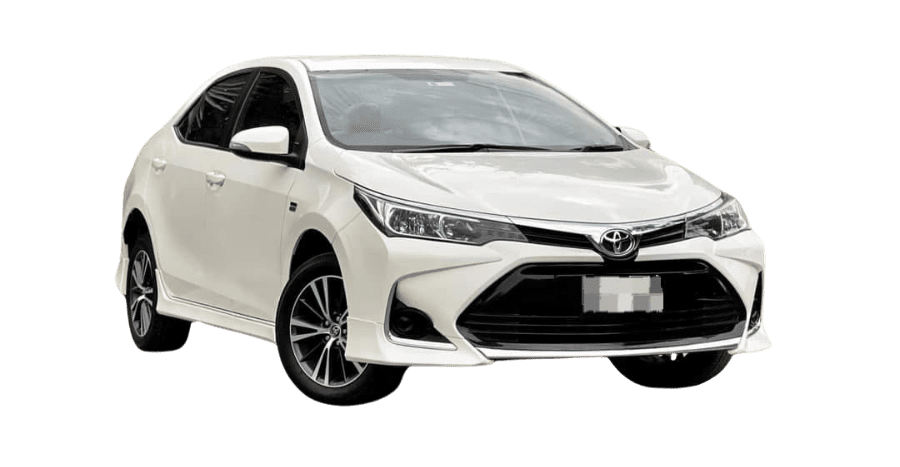
For individuals who prefer not to commit to long-term ownership immediately, some buyers still opt to use professional car services. In such scenarios, platforms like Al Farooq Rent a Car provide structured mobility options while buyers complete ownership formalities or evaluate vehicles for longer-term use. This keeps transportation needs separate from administrative timelines.
Alignment With Broader Digital Reforms
This initiative aligns with ongoing digital reforms across Pakistan’s transport and identity systems. Provinces are gradually shifting toward:
- Centralized digital records
- Reduced manual intervention
- Cross-department data integration
Sindh’s adoption of NADRA-backed biometric verification sets a precedent that other provinces may follow.
Limitations and Early-Stage Considerations
While the system marks progress, early-stage implementation may still face challenges such as:
- Limited facilitation points during peak demand
- Learning curve for users unfamiliar with digital platforms
- Temporary technical slowdowns
These issues are typical of system rollouts and are expected to stabilize as usage increases.
Legal Standing and Official Oversight
Vehicle transfers processed under this system remain subject to Sindh Excise & Taxation rules. Biometric verification does not replace legal requirements but strengthens compliance by ensuring identity authenticity.
For official guidelines and regulatory context, reference information published by the Sindh Excise & Taxation Department through the Government of Sindh portal provides authoritative updates on vehicle transfer procedures and requirements.
FAQs
What is NADRA’s online biometric verification for Sindh vehicle transfers?
It is a digital identity verification system that confirms the seller’s identity through NADRA before a vehicle ownership transfer is approved in Sindh.
Is physical presence still required for vehicle transfer?
Physical visits are reduced but may still be required in specific cases depending on documentation or regulatory checks.
Does this system apply to buyers outside Sindh?
Yes. Buyers from other cities can benefit as the seller’s identity is verified digitally through NADRA.
Can agents complete transfers on behalf of owners?
Authorized representatives may still be involved, but owner identity verification remains mandatory.
Does this reduce fraud in used car sales?
Yes. By linking transfers to NADRA biometric verification, identity-related fraud risks are significantly reduced.
Disclaimer
This article is published for informational purposes only. Procedures, digital platforms, and regulatory requirements may change over time. Readers are advised to verify current rules, eligibility, and documentation directly through official Sindh Excise & Taxation and NADRA channels before initiating any vehicle transfer.