
Quick Answer
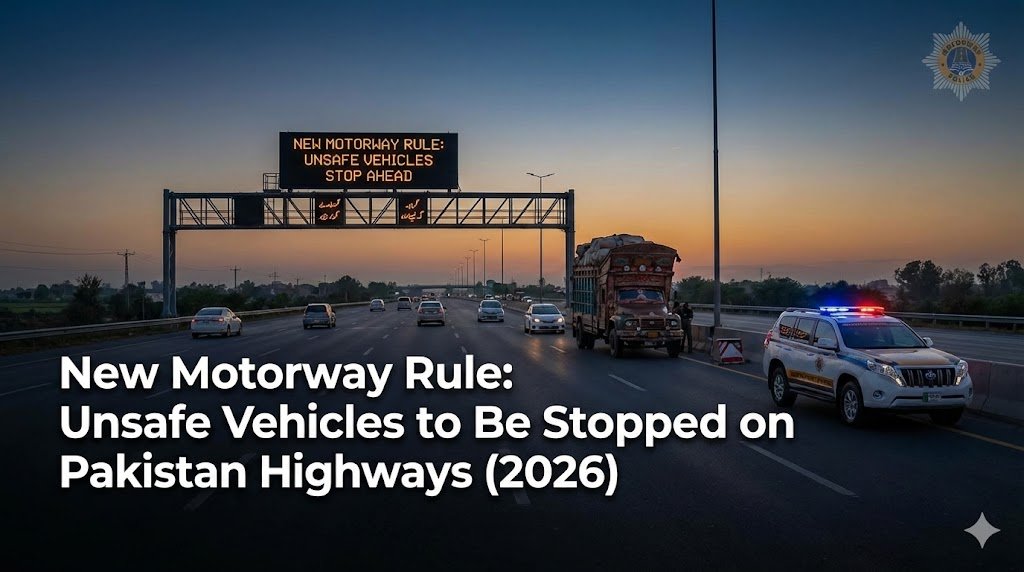
New motorway rule: unsafe vehicles to be stopped — as of early 2026, the National Highways & Motorway Police (NHMP) has intensified enforcement against vehicles deemed mechanically unsafe on motorways across Pakistan.
Here’s what this means in practical terms:
- Vehicles with visible mechanical faults can be stopped immediately.
- Common issues include worn tyres, broken lights, brake failure indicators, excessive smoke, and damaged body panels.
- Commercial vehicles and public transport are under stricter scrutiny.
- Drivers may face fines, challans, or denial of motorway entry.
- Enforcement applies nationwide, including motorways linking Islamabad, Lahore, and Karachi.
These measures aim to reduce accidents caused by technical failures. Rules and penalties are subject to updates by authorities.
Introduction
The new motorway rule: unsafe vehicles to be stopped marks a significant shift in road safety enforcement in Pakistan. Instead of focusing only on speed violations and documentation, motorway authorities are now actively targeting vehicles that pose mechanical risks to other road users.
With heavy intercity traffic between Islamabad, Rawalpindi, Lahore, and Faisalabad, the safety of high-speed corridors has become a priority. This article explains what qualifies as an unsafe vehicle, how enforcement works, penalties involved, and what drivers must check before entering a motorway.
What Is the New Motorway Rule About?
Under updated enforcement directives by the National Highways & Motorway Police (NHMP), officers can:
- Stop vehicles with visible safety defects.
- Deny entry to vehicles deemed road unfit.
- Issue fines or challans.
- Direct vehicles to exit the motorway immediately.
The official NHMP guidelines can be reviewed through the National Highways & Motorway Police website, which outlines enforcement authority and safety standards.
This rule applies across Pakistan’s motorway network, including:
- M-1 (Islamabad–Peshawar)
- M-2 (Islamabad–Lahore)
- M-3 (Lahore–Abdul Hakeem)
- M-4 (Faisalabad–Multan)
- M-5 (Multan–Sukkur)
What Qualifies as an “Unsafe Vehicle”?
1. Tyre Condition
- Bald tyres with insufficient tread depth.
- Mismatched tyres affecting stability.
- Visible tyre sidewall damage.
High-speed motorway driving requires optimal tyre grip. At 120 km/h, tyre failure significantly increases accident severity.
2. Brake System Faults
- Brake warning lights illuminated.
- Uneven braking.
- Brake fluid leaks.
3. Lighting Deficiencies
- Broken headlights or tail lights.
- Non-functional brake lights.
- Indicators not working.
Driving at night on motorways demands proper visibility.
4. Excessive Smoke Emission
- Heavy black or blue smoke.
- Poor engine combustion signs.
Environmental compliance and visibility concerns are both considered.
5. Structural Damage
- Loose bumpers.
- Broken mirrors.
- Windshield cracks impairing driver vision.
Commercial trucks and buses are being monitored more strictly due to higher accident risk.
Why This Rule Matters
Motorways in Pakistan are designed for high-speed travel. At speeds above 100 km/h:
- Stopping distance increases drastically.
- Minor mechanical faults become major hazards.
- Chain collisions are more likely.
The new motorway rule: unsafe vehicles to be stopped is aimed at reducing:
- Brake failure accidents.
- Tyre burst incidents.
- Heavy vehicle rollovers.
- Night-time collision risks.
In recent years, several motorway accidents have been linked to mechanical failure rather than reckless driving alone.
Enforcement Mechanism
On-Spot Inspection
Motorway officers may:
- Conduct visual checks at toll plazas.
- Inspect commercial vehicles randomly.
- Stop vehicles showing visible defects.
Mobile Patrol Checks
Patrol vehicles monitor traffic continuously. If a car emits excessive smoke or displays unstable movement, it can be stopped immediately.
Commercial Transport Scrutiny
Public service vehicles and freight carriers face tighter inspections due to passenger safety obligations.
Penalties & Consequences
While fines vary depending on violation type, drivers may face:
- Monetary fines under Motorway Traffic Ordinance.
- Temporary denial of motorway access.
- Requirement to repair before re-entry.
- Additional penalties for repeat offenders.
Serious mechanical negligence may result in vehicle impoundment under applicable traffic laws.
Impact on Intercity Travel
Frequent travelers between:
- Islamabad and Lahore
- Rawalpindi and Faisalabad
- Karachi and Hyderabad
should ensure vehicle compliance before long trips.
For families planning motorway journeys, mechanical checks reduce both legal risk and safety hazards.
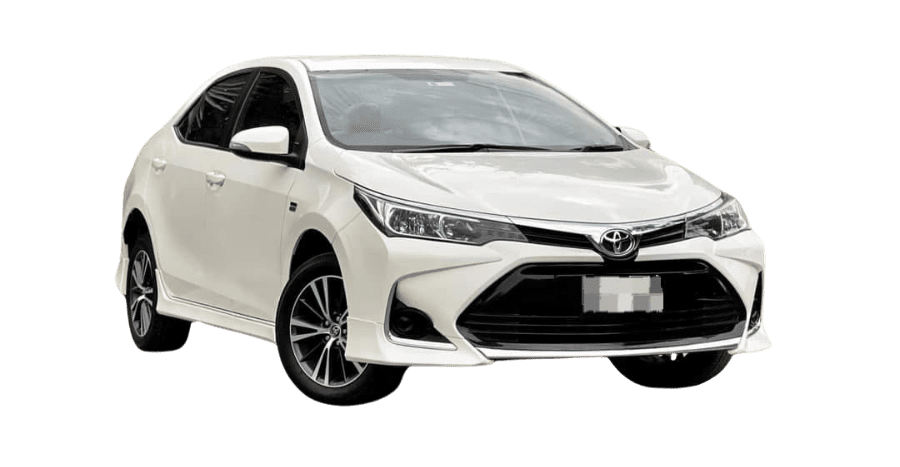
In cases where vehicle condition is uncertain, many travelers opt for professionally maintained vehicles through services such as rent a car in Islamabad, which provide inspected and regularly serviced cars suitable for motorway travel.
Pre-Motorway Safety Checklist
Before entering a motorway:
- Inspect tyre tread depth.
- Check brake response.
- Ensure headlights and indicators work.
- Verify engine warning lights are off.
- Confirm windshield clarity.
- Check coolant and engine oil levels.
Ignoring minor faults can lead to major highway breakdowns.
Commercial & Transport Sector Implications
Logistics companies operating between:
- Lahore and Karachi
- Multan and Islamabad
- Faisalabad and Peshawar
must now maintain stricter fleet inspections.
Routine preventive maintenance becomes not only a safety practice but a compliance necessity.
Accident Reduction Objective
Motorway accidents often involve:
- High speeds.
- Heavy vehicles.
- Night driving.
- Poor vehicle maintenance.
By targeting unsafe vehicles proactively, authorities aim to reduce:
- Fatal crash rates.
- Emergency road closures.
- Economic losses from transport disruptions.
This rule represents preventive enforcement rather than reactive penalty-based control.
Who This Rule Affects Most
Most Affected
- Commercial bus operators.
- Freight transport companies.
- Owners of older vehicles.
- Drivers ignoring maintenance warnings.
Less Affected
- New vehicle owners.
- Regularly serviced car users.
- Corporate fleet operators.
However, all motorists remain subject to inspection.
Urban vs Motorway Standards
A vehicle that functions acceptably in city traffic at 40–60 km/h may not meet safety standards at 120 km/h on motorways.
Motorway standards require:
- Strong braking performance.
- Stable suspension.
- Balanced tyres.
- Clear driver visibility.
Urban tolerance does not equal motorway compliance.
Frequently Asked Questions
What is the new motorway rule about unsafe vehicles?
The new motorway rule allows authorities to stop vehicles with visible mechanical faults and deny motorway entry if the vehicle is deemed unsafe for high-speed travel.
Can I be fined for bald tyres on the motorway?
Yes. Bald or severely worn tyres can lead to fines and may prevent you from entering the motorway until replaced.
Does this rule apply to private cars?
Yes. Both private and commercial vehicles are subject to inspection under this enforcement policy.
Can officers stop vehicles without prior violation?
If a vehicle visibly emits smoke, swerves abnormally, or shows mechanical defects, officers can stop it for safety inspection.
How can I avoid issues under the new motorway rule?
Ensure regular maintenance, tyre checks, brake inspection, and working lights before entering any motorway.
Conclusion
The new motorway rule: unsafe vehicles to be stopped reflects a preventive approach to road safety in Pakistan. Rather than waiting for accidents to occur, authorities are actively removing high-risk vehicles from high-speed corridors.
For motorists traveling between major cities like Islamabad, Lahore, and Faisalabad, vehicle condition is now as important as documentation.
Regular maintenance is no longer optional—it is legally significant for motorway access.
Disclaimer
The information provided in this article is based on publicly available announcements and enforcement updates as of February 2026. Traffic rules, fines, and enforcement policies may change. Readers are advised to verify current regulations with official authorities before traveling. This content is for informational purposes only.