
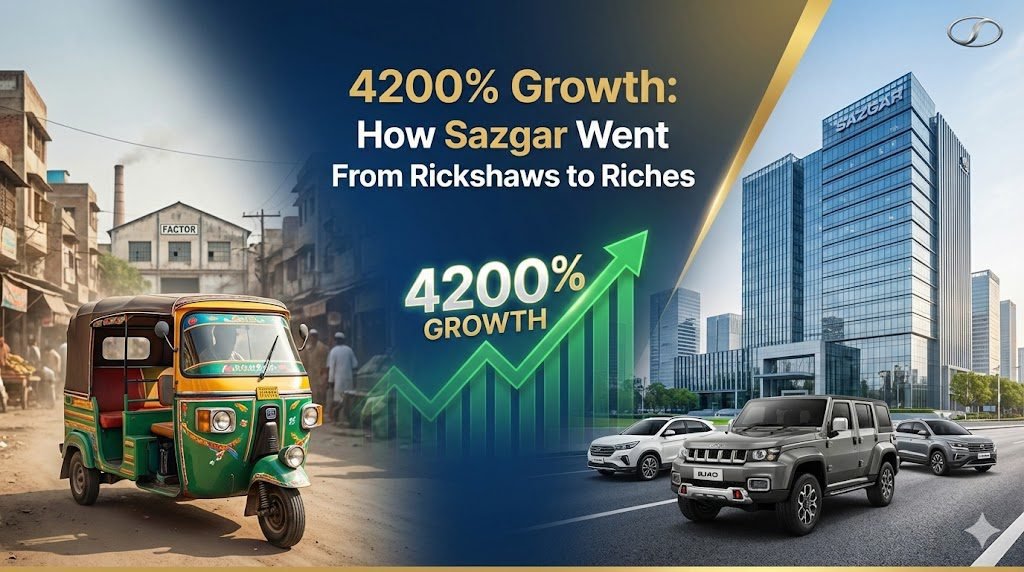
Sazgar’s 4200% growth story has become one of the most discussed business transformations in Pakistan’s automotive sector. Once known primarily for three-wheelers and rickshaws, Sazgar Engineering Works Limited has evolved into a dominant local assembler of premium hybrid and SUV vehicles. This shift did not happen overnight. It reflects strategic partnerships, policy timing, market demand for fuel-efficient vehicles, and disciplined execution in a challenging economic environment.
This article presents a factual, Pakistan-focused analysis of how Sazgar went from rickshaws to riches, what drove its stock and business growth, and why its transition matters for Pakistan’s auto industry.
Sazgar’s Early Years: A Rickshaw-Centered Business
For decades, Sazgar was associated almost entirely with:
- Auto rickshaws
- Three-wheelers
- Commercial transport solutions
These products served a large segment of Pakistan’s urban and semi-urban population, but margins were limited. The business model depended on:
- Volume sales
- Cost-sensitive buyers
- Limited innovation upside
While stable, this segment did not offer the scale or valuation growth that capital markets reward. Sazgar remained a functional industrial company rather than a growth-driven automotive brand.
The Turning Point: Policy Shifts and Market Reality
Pakistan’s automotive market began changing rapidly after 2018–2019 due to:
- Auto Development Policy incentives
- Import restrictions on CBUs
- Rising fuel prices
- Growing consumer interest in hybrids
These factors created space for new entrants and new technologies, especially vehicles that balanced performance with fuel efficiency. Sazgar identified this gap earlier than many traditional assemblers.
Strategic Partnership with Great Wall Motors
The defining move in Sazgar’s transformation was its partnership with Great Wall Motors (GWM) of China. Instead of competing in saturated low-margin segments, Sazgar aligned itself with:
- Hybrid SUVs
- Premium features
- Locally assembled alternatives to imported vehicles
This partnership brought brands that quickly gained traction in Pakistan’s urban markets.
Why the GWM Partnership Worked
Several elements made this partnership effective:
- GWM already had strong global hybrid platforms
- Sazgar provided local assembly expertise
- Pakistani buyers were ready to shift away from fuel-heavy SUVs
- Pricing remained competitive due to CKD assembly
This alignment allowed Sazgar to leapfrog multiple stages of gradual growth.
Hybrid Vehicles as the Growth Engine
Hybrid vehicles became the core driver of Sazgar’s business expansion. In Pakistan, hybrids offer:
- Lower fuel costs
- Reduced dependence on fuel price volatility
- No need for charging infrastructure
- Strong resale demand
As fuel prices rose and economic pressure increased, consumer behavior shifted decisively toward hybrid SUVs. Sazgar was already positioned to serve this demand.
Expansion Into Premium SUV Segments
Sazgar’s move was not limited to mid-range vehicles. It deliberately entered premium SUV territory, a segment traditionally dominated by imported Japanese models.
This expansion strategy included:
- High ground clearance SUVs
- Advanced safety systems
- Luxury-focused interiors
- Hybrid powertrains suited for Pakistani roads
The upcoming and recently introduced models under this strategy further reinforced investor confidence in the company’s long-term direction.
Stock Market Impact: Understanding the 4200% Growth
The phrase “4200% growth” largely refers to Sazgar’s share price appreciation over a multi-year period. This growth reflects:
- Rising revenues
- Improved profit margins
- Strong future earnings expectations
- Market confidence in hybrid demand
Investors did not react to a single product launch; they responded to a structural shift in the company’s business model.
Why Investors Responded Strongly
Key investor signals included:
- Entry into high-margin segments
- Reduced exposure to purely price-sensitive markets
- Alignment with long-term fuel efficiency trends
- Policy-friendly manufacturing strategy
The stock’s performance mirrors how capital markets reward transformation rather than continuity.
Role of Local Assembly in Scaling Growth
Local assembly played a central role in Sazgar’s expansion. Compared to imports, local assembly offers:
- Lower duties
- More stable pricing
- Faster delivery cycles
- Easier after-sales support
This allowed Sazgar to scale volumes while maintaining price competitiveness. It also reduced the risks associated with currency volatility, a major concern in Pakistan.
Impact on Pakistan’s Automotive Landscape
Sazgar’s evolution changed market expectations. Buyers began to realize that:
- Premium SUVs did not need to be fully imported
- Hybrid technology was practical, not experimental
- Chinese-origin vehicles could match global quality benchmarks
This shift forced competitors to rethink their own product strategies and accelerated hybrid adoption across the industry.
Operational Discipline and Execution
Transformation stories often fail due to poor execution. Sazgar avoided this by:
- Gradually expanding capacity
- Maintaining controlled model rollouts
- Prioritizing service infrastructure
- Managing supplier relationships carefully
Rather than flooding the market, Sazgar focused on sustainable rollout, which strengthened long-term brand credibility.
Economic Timing and Consumer Behavior
The timing of Sazgar’s expansion aligned with:
- Rising petrol prices
- Declining purchasing power
- Increased demand for fuel-efficient solutions
- Preference for SUVs over sedans
This alignment magnified the impact of its strategic shift. The company did not create the demand; it responded to it faster than others.
Broader Business Implications
Sazgar’s journey demonstrates that:
- Legacy businesses can reinvent themselves
- Manufacturing partnerships matter more than branding alone
- Hybrid technology offers a practical bridge toward electrification
- Pakistan’s auto market rewards adaptability
It also highlights the growing role of local assemblers in shaping consumer choices rather than merely following global trends.
Mobility Trends and Usage Beyond Ownership
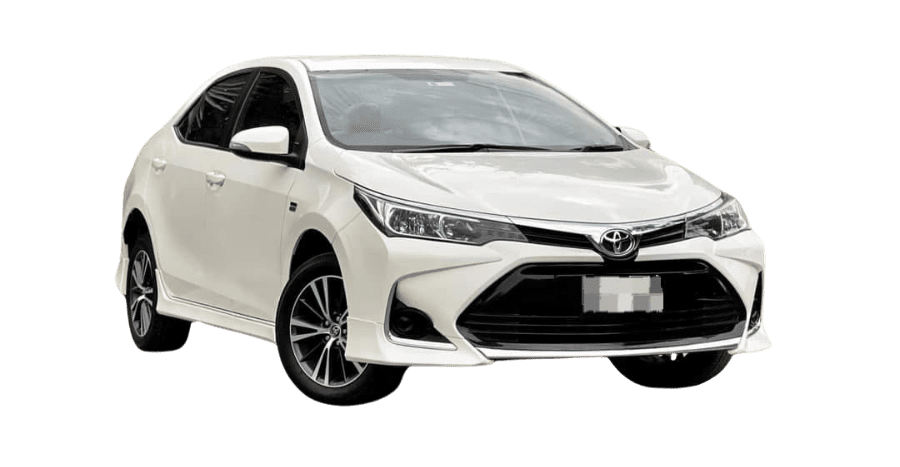
As premium SUVs become more common, usage patterns are also evolving. For many consumers, especially in urban centers, access matters as much as ownership. Business travelers, corporate users, and families increasingly prefer temporary access to high-end vehicles. In such scenarios, services like Al Farooq Rent a Car offer flexible mobility solutions, allowing users to experience premium SUVs for intercity travel or special occasions without the long-term financial commitment. Details about available options can be reviewed directly on the Al Farooq Rent a Car homepage, which reflects how high-value vehicles are increasingly used across Pakistan.
Risks and Challenges Ahead
Despite strong growth, challenges remain:
- Policy uncertainty
- Currency fluctuations
- Competition intensifying in the hybrid segment
- Consumer expectations rising with price points
Sustaining growth will require continued product relevance, service quality, and pricing discipline.
Long-Term Outlook
If Sazgar continues to:
- Expand its hybrid portfolio
- Deepen localization
- Maintain after-sales standards
It is likely to remain a major force in Pakistan’s automotive sector. Its transformation from rickshaws to premium SUVs is no longer a projection; it is an established case study in industrial reinvention.
FAQs
What does Sazgar’s 4200% growth refer to?
It primarily reflects the company’s share price and valuation growth over several years due to its shift into hybrid and premium vehicle segments.
How did Sazgar move beyond rickshaws?
By forming a strategic partnership with an international automaker and focusing on locally assembled hybrid SUVs.
Why are hybrids central to Sazgar’s success?
Hybrids match Pakistan’s fuel cost environment, infrastructure limitations, and consumer demand for efficiency.
Is Sazgar dependent on one vehicle category?
While hybrids dominate its current growth, diversification within SUVs and powertrains helps reduce overdependence.
Can this growth continue?
Continuation depends on policy stability, competitive positioning, and execution quality rather than market hype.
Disclaimer
The information provided in this blog is based on publicly available financial data, industry reports, and market analysis at the time of writing. Stock prices, company performance, policies, and vehicle programs may change due to economic conditions or regulatory decisions. This content is for informational purposes only and does not constitute financial, investment, or business advice. Readers should conduct independent research or consult professionals before making investment or purchase decisions.